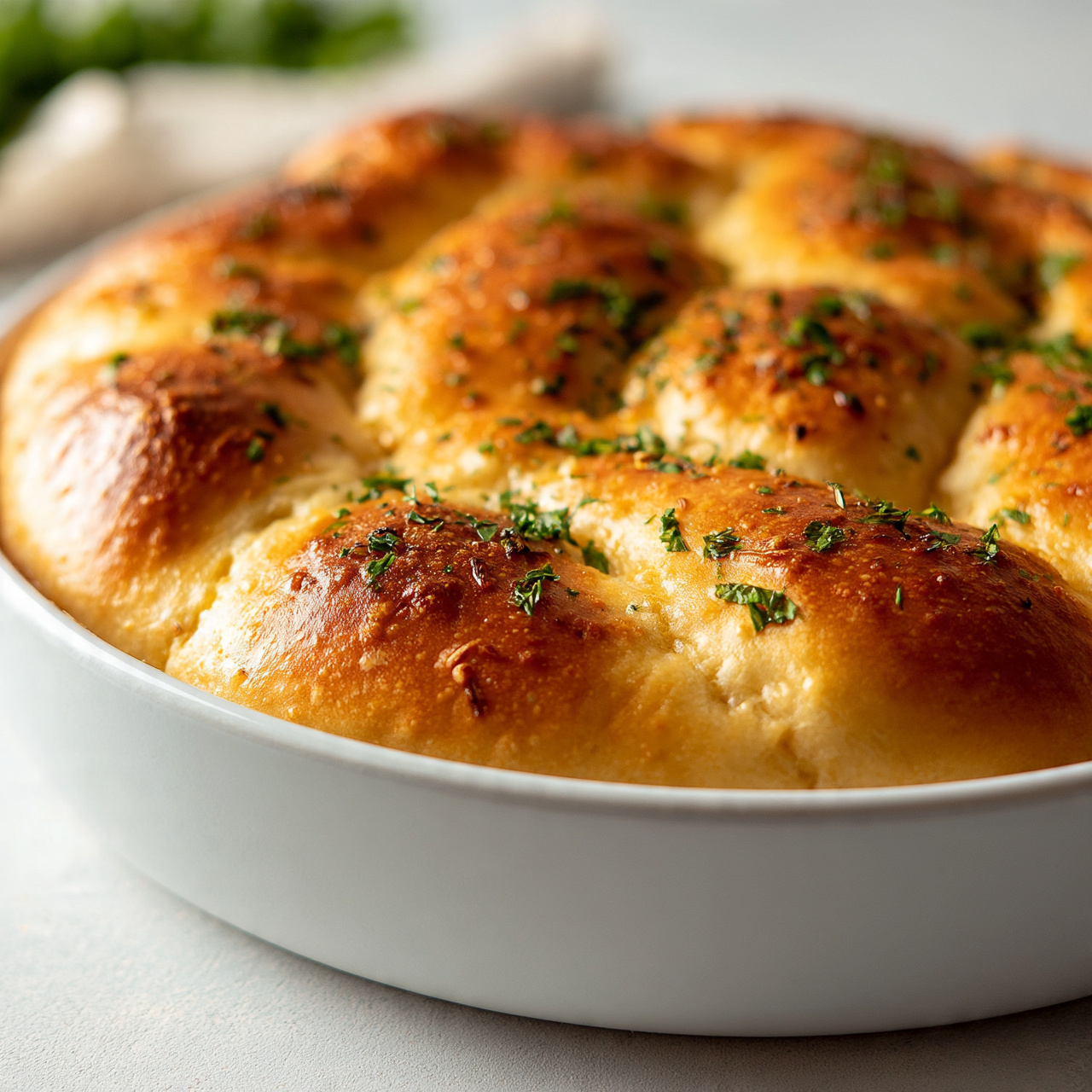
Turkish Bread (Ramazan Pidesi): Soft, Chewy, and Golden Every Time
This authentic Turkish bread recipe delivers a soft, pillowy interior with a perfectly golden crust, topped with sesame and nigella seeds. No special equipment needed, and it comes together faster than you think.

The Bread That Belongs on Every Table
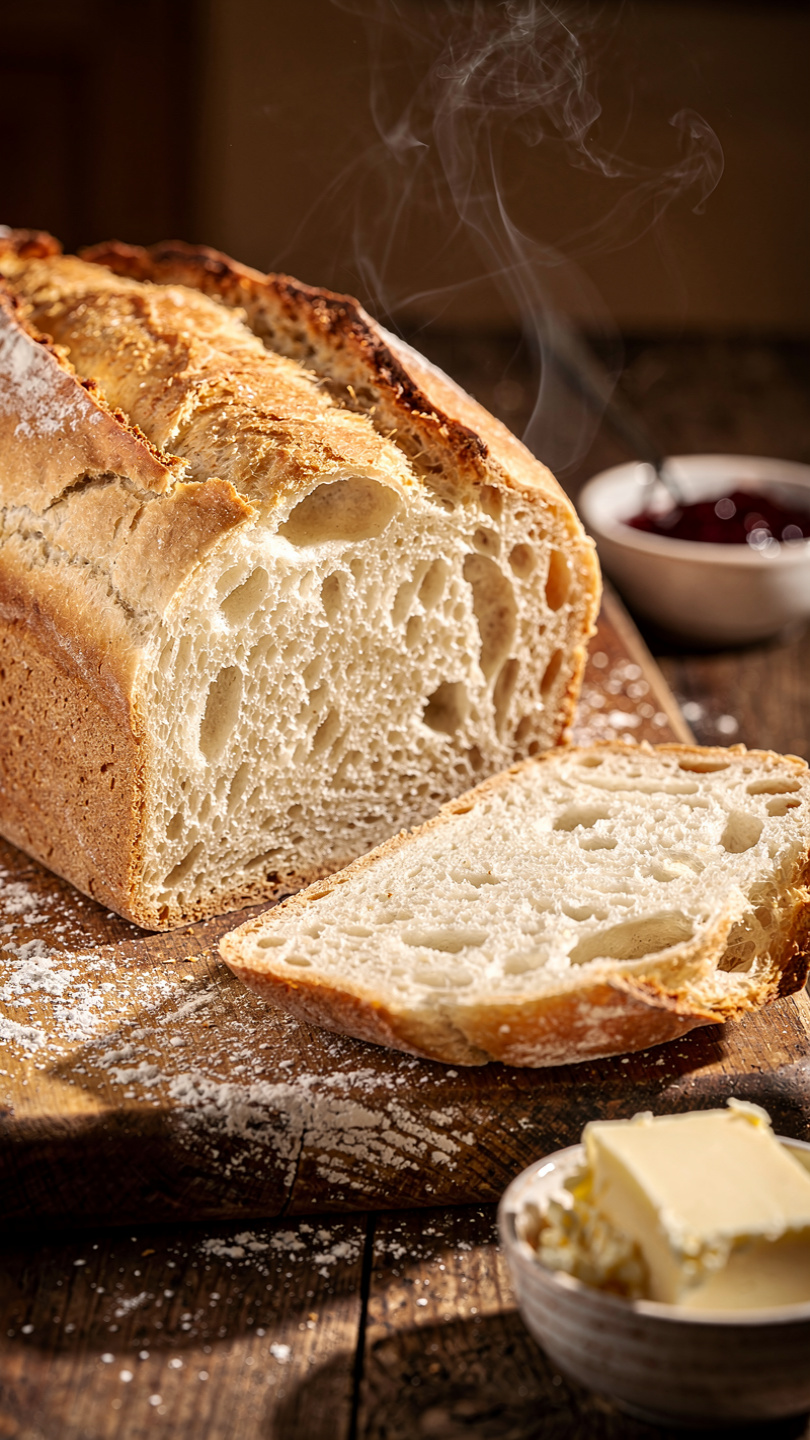
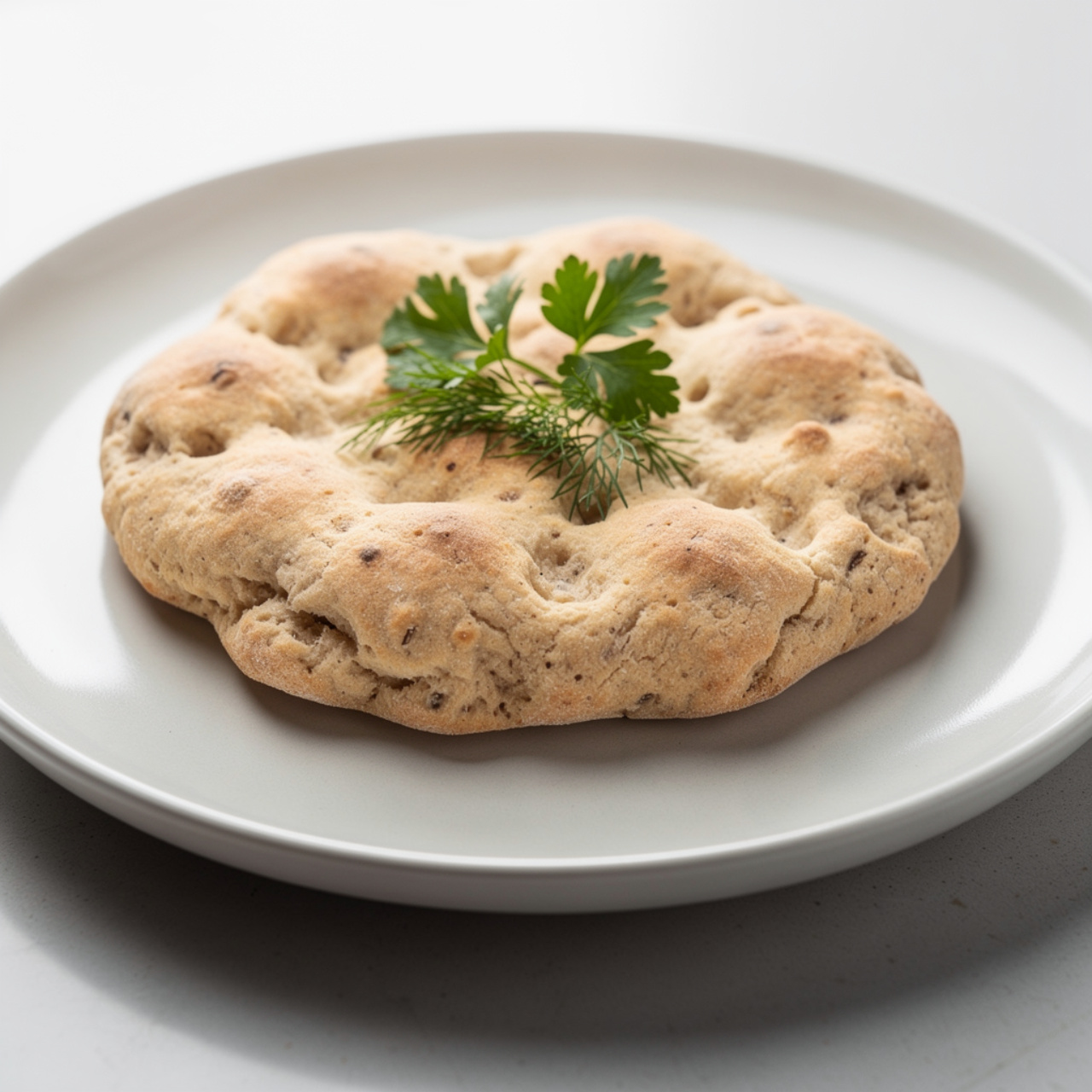
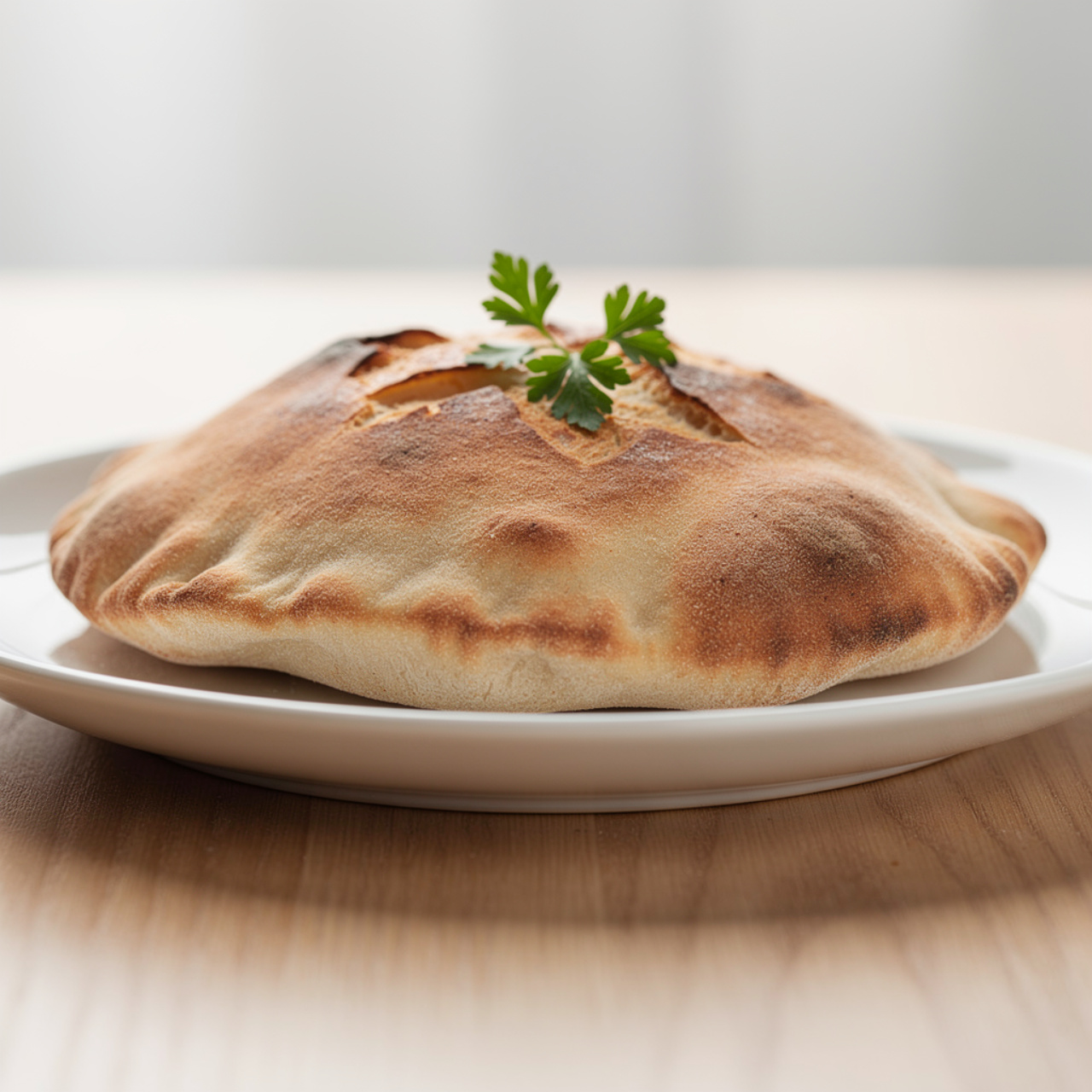
If you have never pulled a warm, golden loaf of Turkish bread from your own oven, you are seriously missing out. This is one of those different kinds of bread recipes that looks impressive but is genuinely approachable for any home baker. Soft and chewy on the inside, lightly crisp on the outside, dotted with sesame and nigella seeds, and stamped with that beautiful dimpled pattern. It is the kind of bread that makes the whole kitchen smell incredible and disappears within minutes of hitting the table.
Known as Ramazan Pidesi in Turkey, this bread is traditionally baked in wood-fired ovens during Ramadan and sold by street vendors at sunset. But you do not need a wood-fired oven or a special occasion to enjoy it. A standard home oven and a handful of pantry ingredients are all it takes.
What Makes This Recipe Work
The secret to this bread's signature softness is the small amount of plain yogurt in the dough. It adds a gentle tang and keeps the crumb tender long after the bread has cooled. Paired with a bit of olive oil and just enough yeast, the result is a dough that is a pleasure to work with and even more of a pleasure to eat.
This is also one of the most satisfying answers to the age-old question of what can I make with flour when you want something genuinely special. No fancy techniques. No bread machine. Just your hands, a bowl, and a little patience while the dough rises.
Baker's Tip: Do not skip the crosshatch pressing step. Those deep finger-dimples are not just decorative. They help the bread bake evenly and give the egg wash somewhere to pool, which creates that gorgeous golden color and slightly crispy ridges.
Using quality ingredients and the right tools genuinely elevates homemade bread. A good heavy baking sheet, real nigella seeds (not a substitute), and a sturdy pastry brush for the egg wash all make a noticeable difference in the final result.
Perfect For Soups, Stews, and So Much More
This is the ultimate crusty bread for stew. Picture a deep bowl of slow-cooked lamb stew or a rich red lentil soup, and this bread sitting right beside it, ready to mop up every last drop. It is equally wonderful torn into pieces for a mezze spread alongside hummus, tabbouleh, and olives.
If you are exploring middle eastern breads for the first time, this is one of the friendliest places to start. The dough is forgiving, the shaping is casual, and the results are consistent even on your very first attempt. It has quickly become one of our favorite random recipes to try on a lazy weekend afternoon.
For those looking for easy delicious bread that also fits into different kinds of dinners, this one checks every box. It works as a starter, a side, or honestly, the star of the table with a simple plate of good olive oil and flaky salt.
A Note on the Seeds
Sesame seeds are easy to find anywhere, but nigella seeds (also sold as black seed or kalonji) are what give this bread its distinctly Turkish character. Look for them in Middle Eastern grocery stores or online. They have a slightly peppery, onion-like flavor that is unlike anything else and completely worth seeking out.
Ready to bake your new favorite loaf? Here is the full recipe with all the details:
Turkish Bread (Ramazan Pidesi): Soft, Chewy, and Golden Every Time
This authentic Turkish bread recipe delivers a soft, pillowy interior with a perfectly golden crust, topped with sesame and nigella seeds. No special equipment needed, and it comes together faster than you think.
Ingredients
- 3 cups all-purpose flour, plus more for dusting
- 2 1/4 tsp instant yeast, one standard packet
- 1 cup warm water, around 110 degrees F, not too hot
- 1/4 cup plain whole milk yogurt, room temperature, adds softness
- 2 tbsp olive oil, extra virgin preferred
- 1 tsp sugar, feeds the yeast
- 1 tsp salt
- 1 egg yolk, for the egg wash
- 1 tbsp milk, mixed with egg yolk for wash
- 1 tbsp sesame seeds, for topping
- 1 tsp nigella seeds, also called black seed or kalonji, for topping
Instruction
In a large bowl, whisk together the warm water, sugar, and instant yeast. Let it sit for 5 minutes until slightly foamy.
Add the yogurt and olive oil to the yeast mixture and stir to combine.
Add the flour and salt. Mix with a wooden spoon until a shaggy dough forms, then turn it out onto a lightly floured surface.
Knead the dough for 8 to 10 minutes until it is smooth, elastic, and slightly tacky but not sticky. Add flour one tablespoon at a time only if the dough sticks excessively.
Place the dough in a lightly oiled bowl, cover with a clean kitchen towel or plastic wrap, and let it rise in a warm spot for 1 hour or until doubled in size.
Preheat your oven to 425 degrees F (220 degrees C). Line a large baking sheet with parchment paper.
Punch down the dough and transfer it to the prepared baking sheet. Using your hands, gently stretch and flatten it into an oval roughly 12 inches long and about half an inch thick.
Use your fingertips to press a grid-like crosshatch pattern firmly into the surface of the dough, creating the signature dimpled look. Do not punch through entirely.
Whisk together the egg yolk and milk, then brush generously over the entire surface of the dough.
Sprinkle the sesame seeds and nigella seeds evenly over the top.
Bake for 20 to 25 minutes until deep golden brown on top and the bread sounds hollow when tapped on the bottom.
Transfer to a wire rack and let cool for at least 10 minutes before slicing and serving.
Equipment
- Large mixing bowl
- Wooden spoon or dough scraper
- Baking sheet
- Parchment paper
- Pastry brush
- Wire cooling rack
Notes
Storing, Freezing, and Making It Ahead
This bread is at its absolute best the day it is baked, still slightly warm from the oven. That said, it keeps well in an airtight bag for up to 2 days without losing too much of its softness.
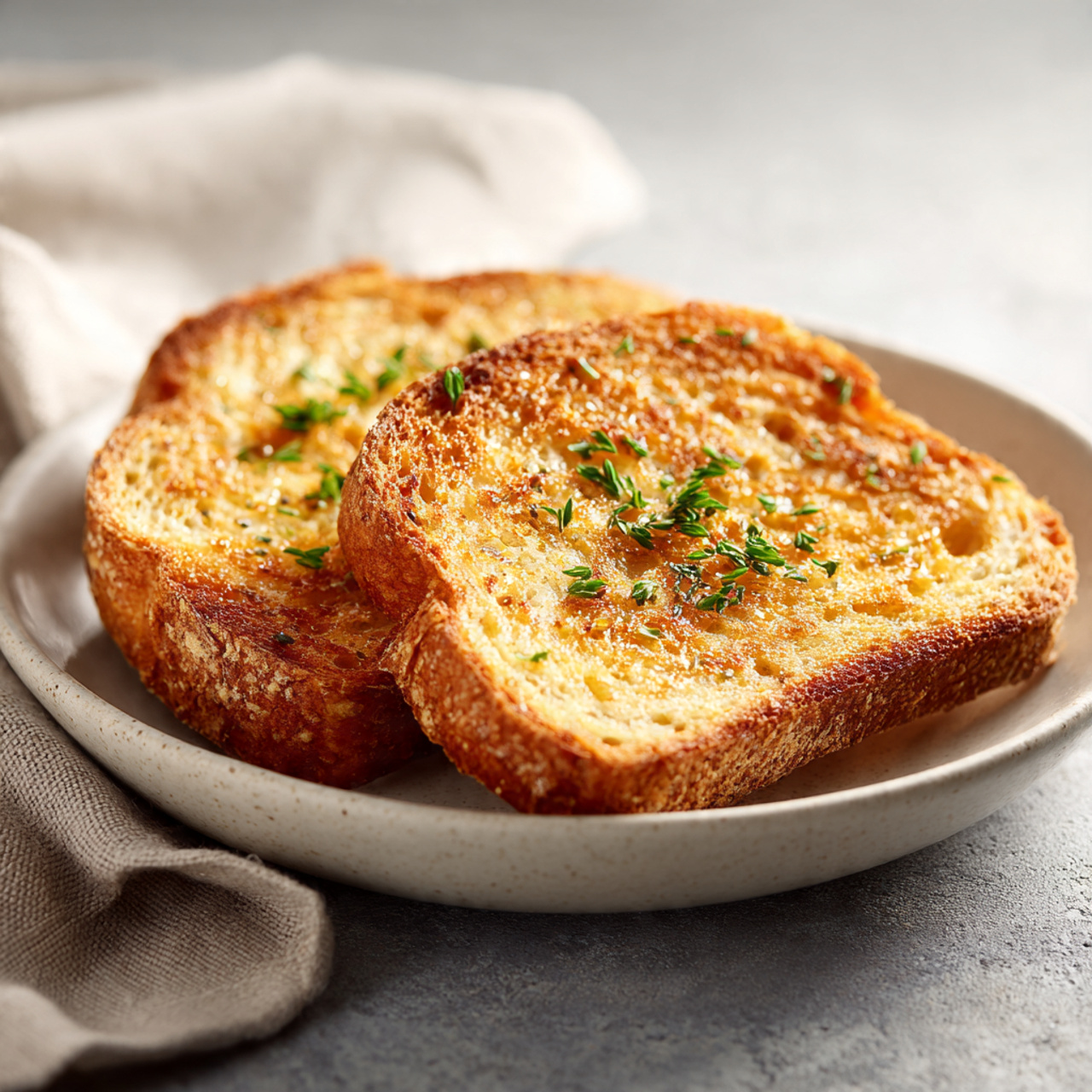
To freeze: Slice the cooled loaf, layer parchment between slices, and freeze in a zip-lock bag for up to one month. Toast straight from frozen for a quick and satisfying snack.
Make-ahead tip: Prepare the dough the night before, cover tightly, and let it slow-rise in the refrigerator overnight. The next morning, let it sit at room temperature for about 30 minutes before shaping and baking. The flavor actually deepens with the longer rise, making this a great bread for stew dinner prep strategy.
However you serve it, this Turkish bread has a way of becoming a permanent fixture in your kitchen rotation.