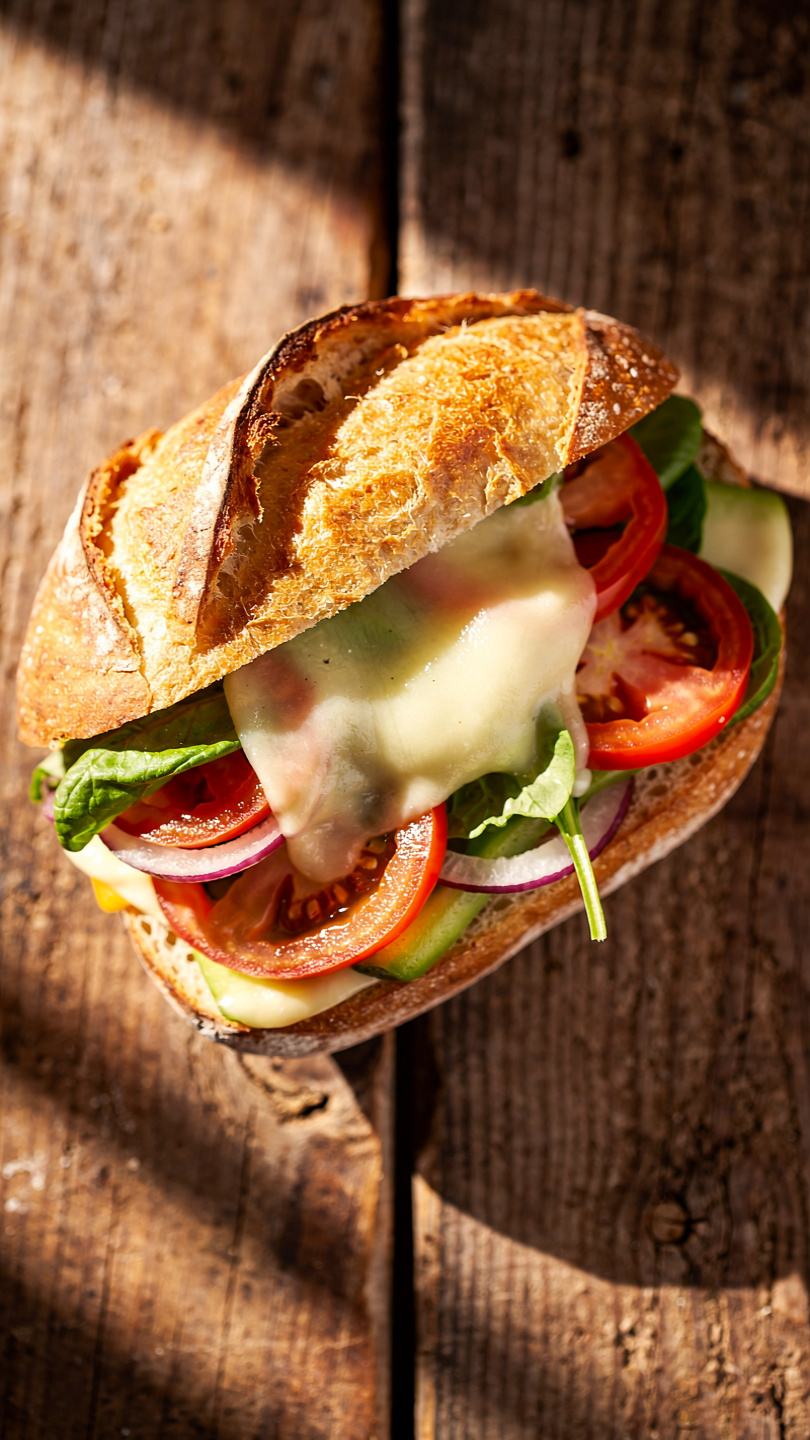
Best Sourdough Sandwich Bread Recipe (Fluffy, Homemade, and Same-Day!)
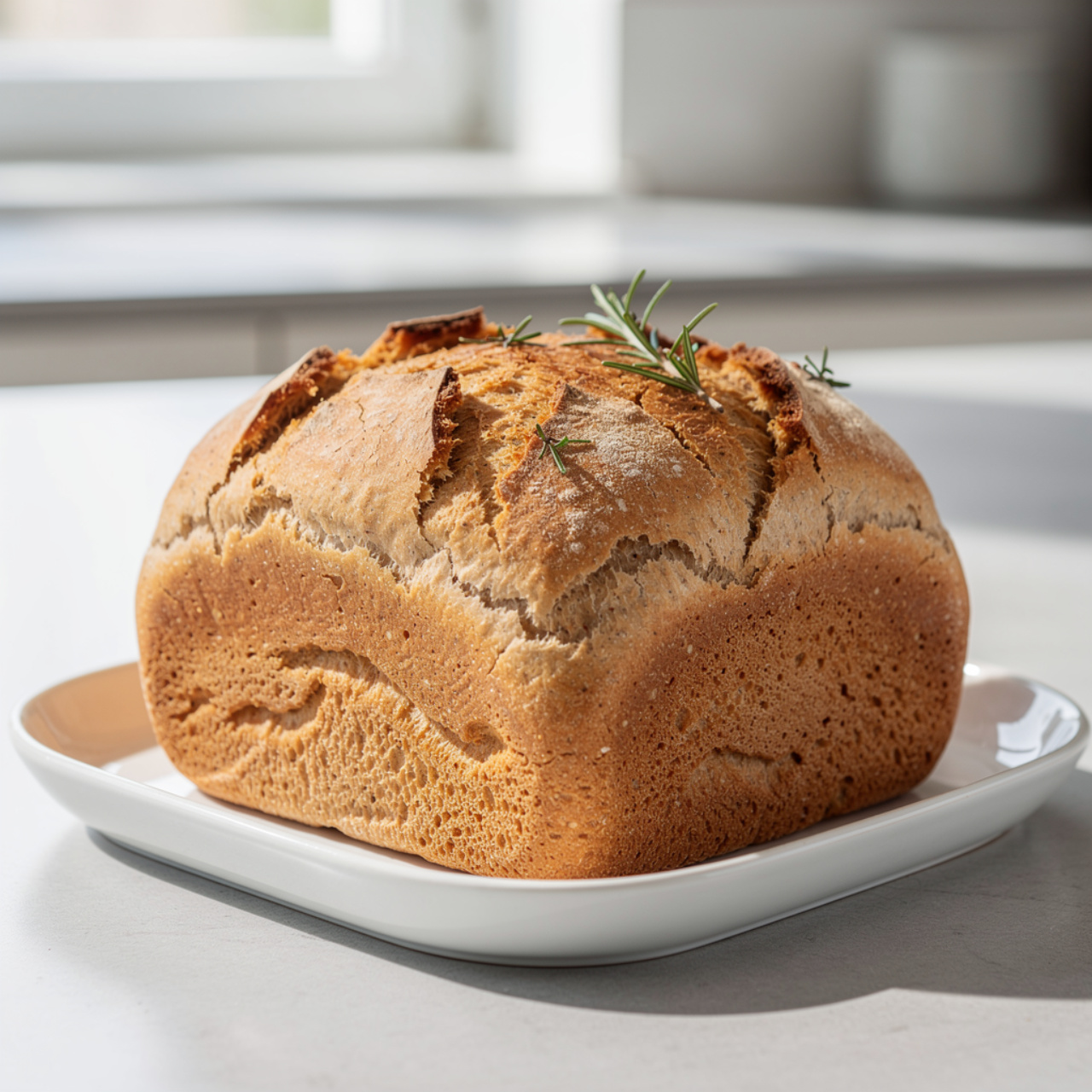
This is the best sourdough sandwich bread recipe for a soft, fluffy loaf with a golden crust. Perfect for same-day baking or long fermentation, it slices beautifully for sandwiches, toast, and everything in between.

The Homemade Sourdough Sandwich Bread You Have Been Looking For
If you have ever pulled a slice of soft, pillowy homemade sourdough sandwich bread from a fresh-baked loaf and thought, "I could make this every week," you are absolutely right. This is the recipe that makes that happen. Whether you are chasing the best sourdough sandwich bread recipe for weekday lunches, weekend French toast, or simply the most satisfying avocado toast of your life, this loaf delivers every single time.
What makes this recipe stand out from a classic sourdough boule is the intentional softness. Milk and butter are added to the dough to tenderize the crumb, giving you that perfectly fluffy sourdough bread texture that slices cleanly and stays soft for days. No thick, crackly crust here. Just a golden, thin shell with a cloud-like interior that holds up to everything from turkey clubs to jam and butter.
Same-Day or Long-Fermented: You Choose
One of the best things about this recipe is its flexibility. It works beautifully as a sourdough same-day recipe if you have an active starter and a warm kitchen. Start in the morning and have a freshly baked loaf by dinnertime. But if you prefer the complexity and gut-friendly benefits of a long fermented sourdough recipe, simply refrigerate the dough after the initial bulk ferment and let time do the heavy lifting overnight. Both paths lead to an incredible loaf. The long ferment version develops a slightly deeper, more nuanced tang that sourdough lovers will recognize immediately.
Chef's Tip: The single biggest factor in sourdough success is starter activity. Before you mix the dough, your starter should be bubbly, doubled in size, and smell pleasantly tangy and yeasty. If it is sluggish, feed it and give it another 4 to 6 hours before baking.
Why the Right Tools Make All the Difference
For a homemade sourdough sandwich bread with the right crumb and structure, a few key tools genuinely earn their place in your kitchen. A digital kitchen scale takes the guesswork out of flour measurements, and an instant-read thermometer is the only reliable way to know when your loaf is fully baked through without cutting into it too early.
Building the Dough: What to Know Before You Start
This dough comes together quickly once your starter is ready. Here is what to keep in mind:
- Bread flour over all-purpose. The higher protein content means better gluten development, which gives you lift and structure without a dense crumb.
- Warm, not hot, water. Anything above 90 degrees F risks weakening your starter. Aim for 80 to 85 degrees F.
- Butter goes in last. Adding softened butter after the initial mix prevents it from coating the flour and blocking gluten development.
- Stretch and fold, do not punch. This is a gentle, open dough. Three sets of stretch-and-folds during the first hour of bulk ferment builds strength without degassing.
The autolyse rest (letting the flour and water sit for 20 minutes before adding salt and butter) is a small step that makes a noticeable difference in how smooth and extensible the dough becomes. Do not skip it.
How to Know When the Dough Is Ready to Shape
This is the question every new sourdough baker asks. Look for these signs that bulk fermentation is complete:
- The dough has increased in volume by 50 to 75 percent
- The surface looks domed and slightly jiggly, not flat
- Bubbles are visible along the sides and on top
- The dough feels airy and lighter than when you first mixed it
Over-proofed dough will look very puffy but will feel slack and may collapse slightly when touched. Under-proofed dough will be dense and tight. When in doubt, err on the side of slightly under-proofed for a sandwich loaf since it will continue to rise in the pan.
Ready to bake? Here is every step laid out for you:
Best Sourdough Sandwich Bread Recipe (Fluffy, Homemade, and Same-Day!)
This is the best sourdough sandwich bread recipe for a soft, fluffy loaf with a golden crust. Perfect for same-day baking or long fermentation, it slices beautifully for sandwiches, toast, and everything in between.
Ingredients
- 3 1/2 cups bread flour, plus more for dusting
- 1/2 cup active sourdough starter, fed and bubbly, at peak activity
- 1 cup warm water, around 80 to 85 degrees F
- 1/4 cup whole milk, room temperature, adds softness
- 2 tbsp honey, or substitute with granulated sugar
- 1 1/2 tsp fine sea salt
- 2 tbsp unsalted butter, softened to room temperature
- 1 tbsp neutral oil, for greasing the bowl and pan
Instruction
In a large mixing bowl, combine the warm water, whole milk, active sourdough starter, and honey. Whisk until the starter is fully dissolved and the mixture looks slightly frothy.
Add the bread flour and sea salt to the wet ingredients. Mix with a dough hook on a stand mixer on medium-low speed for 2 minutes, or stir with a wooden spoon until a shaggy dough forms. Let the dough rest for 20 minutes (autolyse).
Add the softened butter to the dough one tablespoon at a time, mixing on medium speed for 6 to 8 minutes until the dough is smooth, elastic, and slightly tacky. It should pull cleanly away from the sides of the bowl. If mixing by hand, knead for 10 to 12 minutes.
Shape the dough into a ball and place it in a lightly oiled bowl. Cover with plastic wrap or a damp towel. For a same-day sourdough sandwich bread, let it bulk ferment at room temperature (75 to 78 degrees F) for 4 to 6 hours, performing 3 sets of stretch-and-folds every 30 minutes during the first 1.5 hours. For a long-fermented sourdough recipe, place the covered bowl in the refrigerator after the first 2 hours at room temperature and ferment overnight for 8 to 12 hours.
Once the dough has risen by about 50 to 75 percent and looks puffy with visible bubbles, turn it out onto a lightly floured surface. Gently press it into a rough rectangle about 8 inches wide. Fold the sides in and roll the dough tightly into a log, pinching the seam to seal.
Place the shaped loaf seam-side down into a lightly oiled 9x5 inch loaf pan. Cover loosely with oiled plastic wrap and allow it to proof at room temperature for 1.5 to 3 hours, or until the dough crowns about 1 inch above the rim of the pan.
Preheat your oven to 375 degrees F (190 degrees C). Just before baking, brush the top of the loaf gently with milk or a beaten egg for a golden crust.
Bake for 40 to 45 minutes until the top is deep golden brown and the internal temperature reads 195 to 200 degrees F on an instant-read thermometer.
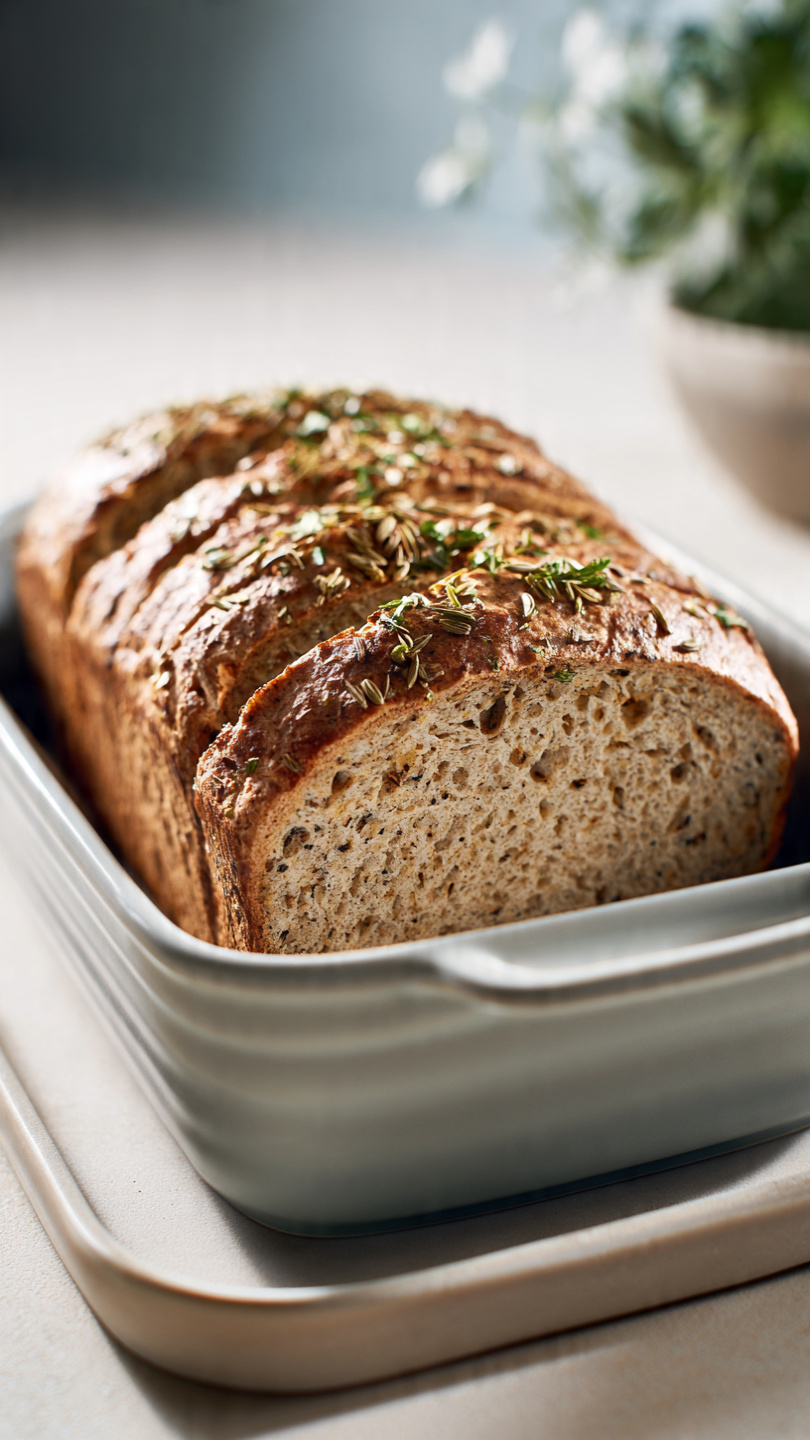
Remove the loaf from the oven and let it cool in the pan for 10 minutes, then turn it out onto a wire rack. Allow it to cool completely for at least 1 hour before slicing. Cutting too early will cause the crumb to gum up.
Equipment
- Stand mixer with dough hook (or large mixing bowl for hand kneading)
- 9x5 inch loaf pan
- Digital kitchen scale
- Instant-read thermometer
- Wire cooling rack
- Plastic wrap or damp kitchen towel
- Bench scraper
Notes
Serving, Storing, and Making It Your Own
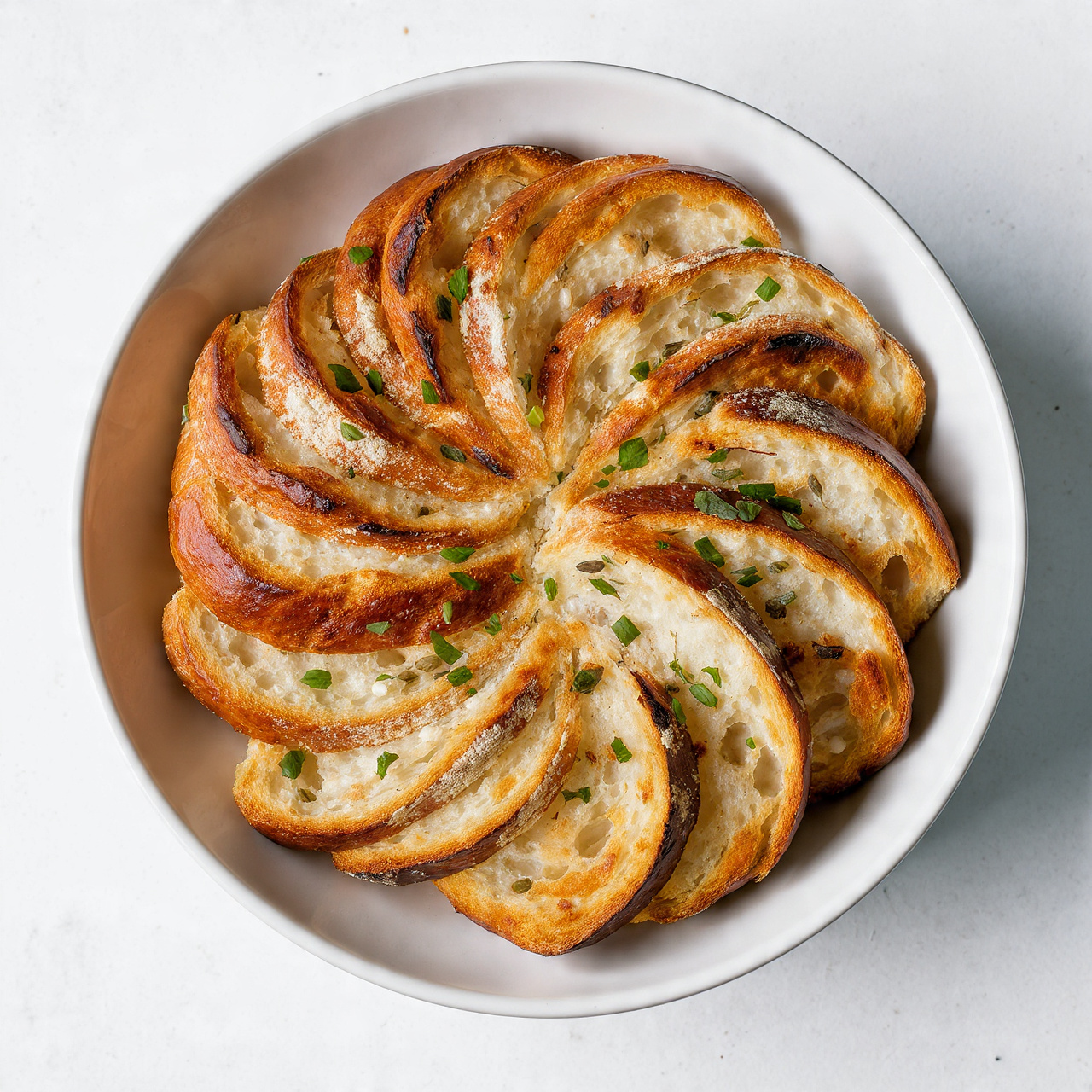
Once your loaf has cooled (and yes, the wait is worth it), the possibilities are wide open. This best sourdough sandwich bread is equally at home with deli meats and mustard, slathered with salted butter, or crisped up for croutons and breadcrumbs.
Variations Worth Trying
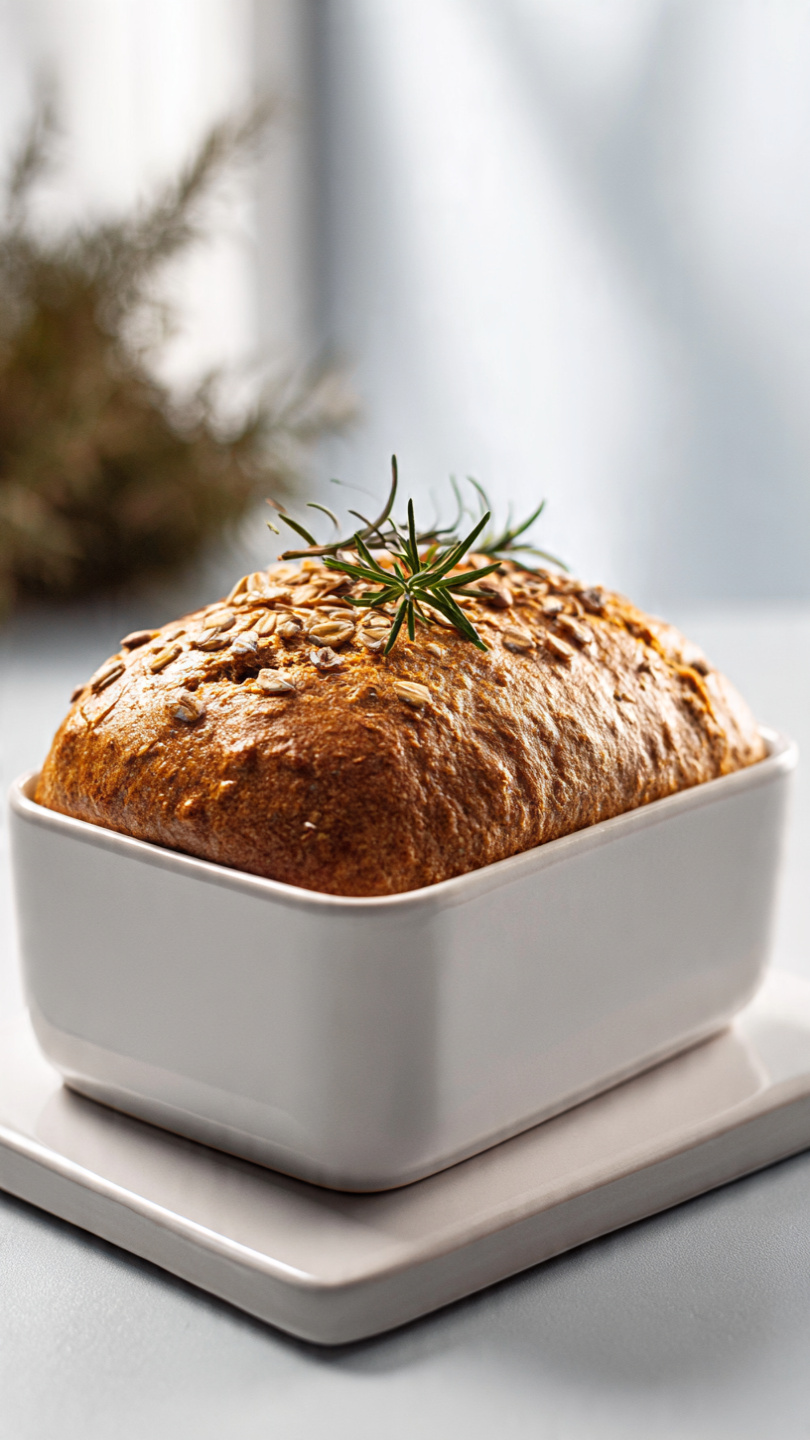
- Seeded crust: Before baking, brush with egg wash and press sesame seeds, poppy seeds, or everything bagel seasoning onto the top.
- Enriched and sweet: Add an extra tablespoon of honey and swap the milk for whole milk enriched with a tablespoon of cream for a brioche-adjacent texture.
- Herbed: Fold 2 tablespoons of fresh rosemary or thyme into the dough during the final mix for a savory twist.
This loaf freezes exceptionally well. Slice it completely, bag the slices, and pull them out individually as needed. It is the kind of bread that makes you wonder why you ever bought a loaf from the grocery store.