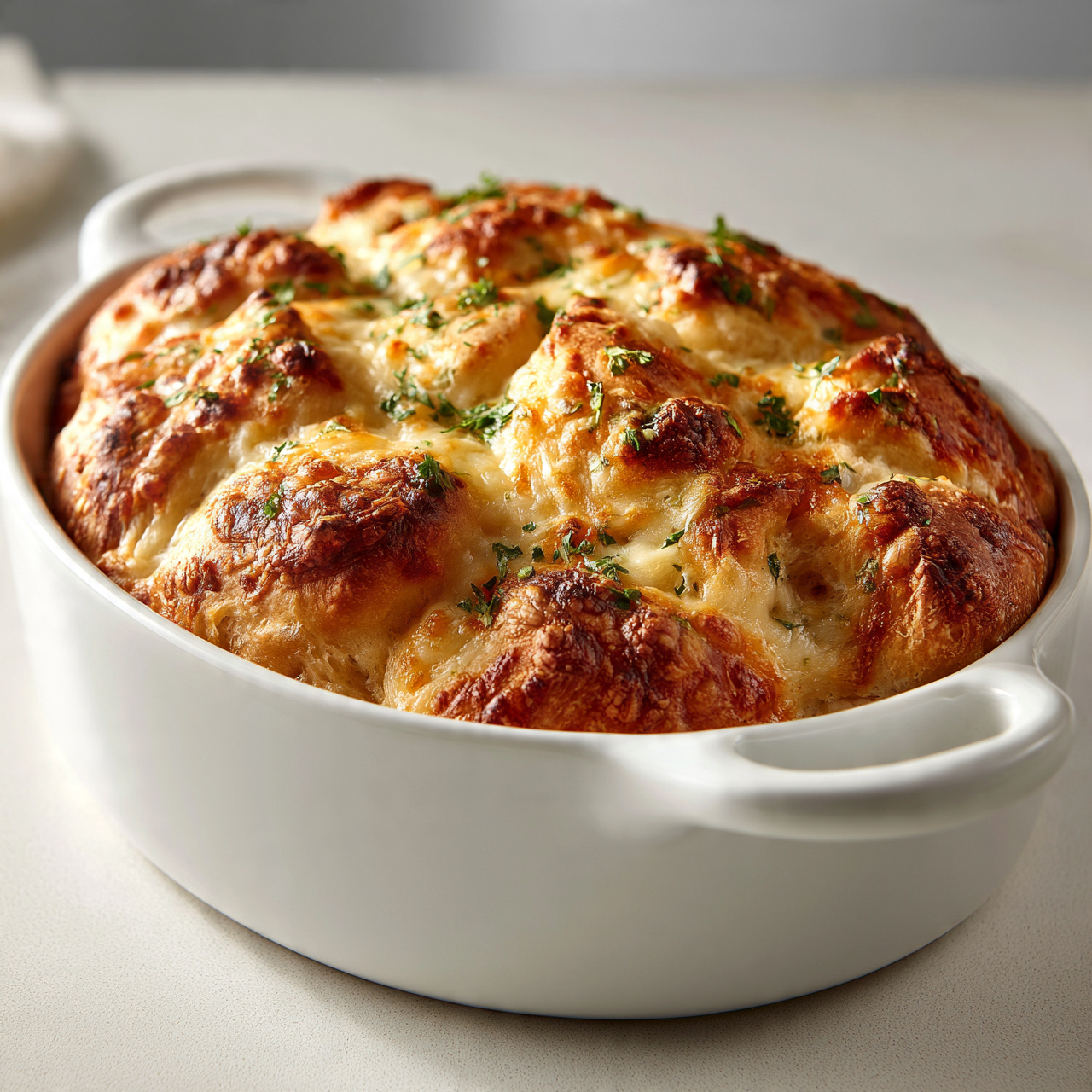
Sourdough Cheese Bread (Crusty Dutch Oven Cheddar Loaf)
This sourdough cheese bread is a golden, crackling Dutch oven loaf packed with sharp cheddar and a tangy, chewy crumb. It's the easiest cast iron Dutch oven bread recipe you'll ever pull out of your oven.

The Sourdough Cheese Bread You'll Make on Repeat
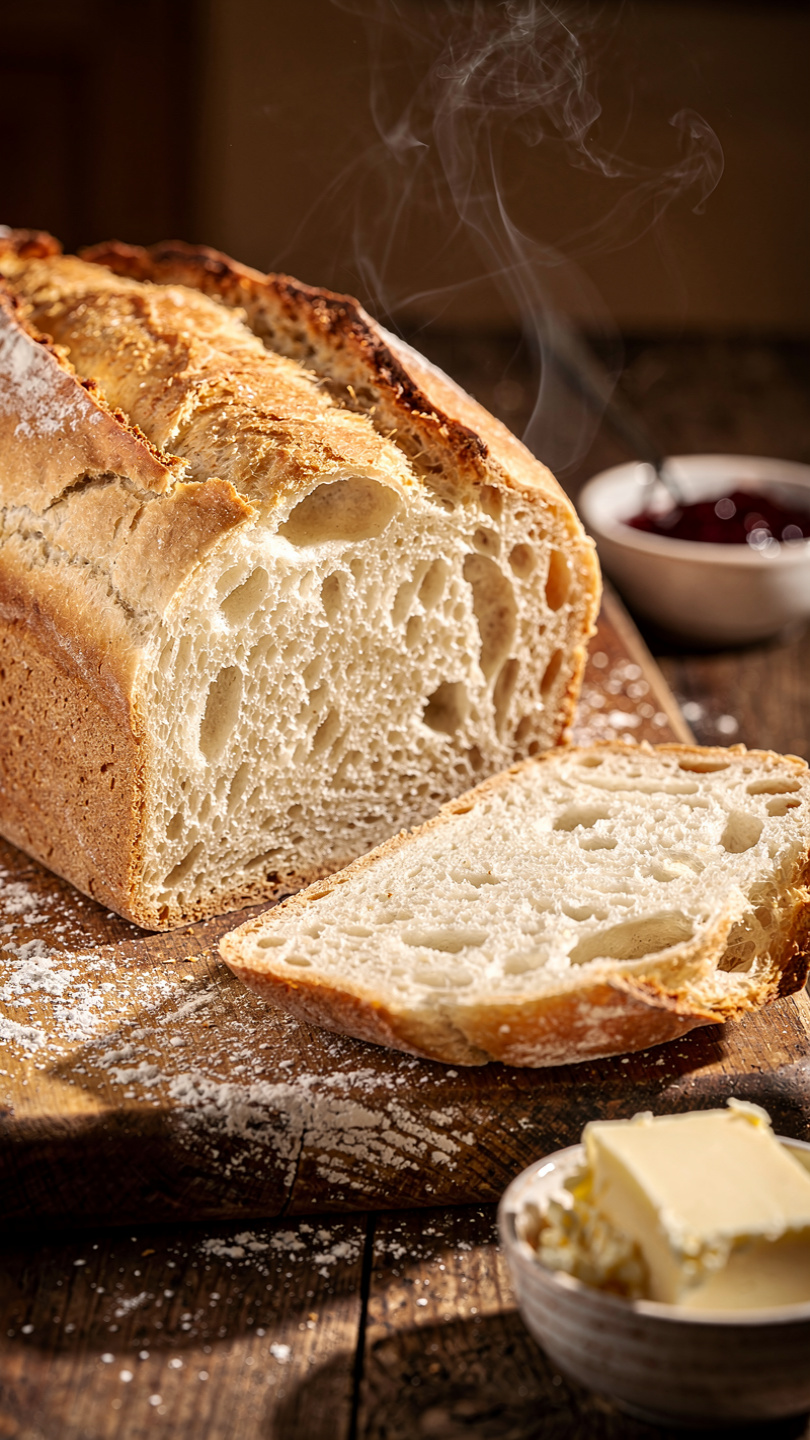
There is something almost unfair about pulling a sourdough cheese bread out of a cast iron Dutch oven. The crust shatters when you tap it. The kitchen smells like a bakery and a cheese shop collided in the best possible way. And when you finally cut into it after that agonizing cooling hour, the crumb is open, chewy, and threaded all the way through with pockets of melted sharp cheddar.
This is the kind of loaf that makes people ask, "You made this yourself?" And the answer, with a bit of patience and the right technique, is a very satisfying yes.
Whether you've been searching for a Dutch oven cheese bread recipe after seeing one on social media, or you just want to finally get this bread into your weekly baking rotation, this guide walks you through everything from starter activity to that first golden slice.
Why the Dutch Oven Is Non-Negotiable
If you've tried easy bread recipes in a Dutch oven before, you already know the magic. The cast iron Dutch oven traps steam released by the dough in those first critical minutes of baking. That steam keeps the crust pliable long enough for the loaf to fully expand. Once the lid comes off, the dry heat of the oven caramelizes the exterior into a deep, crackling shell.
For a cheese bread specifically, this two-stage bake does something extra wonderful: the cheese inside stays soft and melty while the cheese on the crust becomes golden, bubbly, and slightly crisp at the edges. It's the same reason a cheddar pretzel sourdough loaf has that irresistible pull.
Using the right equipment genuinely changes the outcome here. A heavy cast iron pot with a tight-fitting lid is the closest thing to a home bread oven you can get.
Choosing Your Cheese (And Yes, It Matters)
Sharp cheddar is the classic choice here, and for good reason. It has enough fat to melt smoothly and enough punch to hold its own against the tang of the sourdough. But this recipe is also one of the most forgiving Dutch oven bread variations you'll find.
Here are a few combinations worth trying:
- Sharp cheddar + smoked gouda for a deeper, smoky flavor
- Gruyere + a pinch of fresh thyme for something more rustic and French-inspired
- Pepper jack + jalapeño slices folded in for a spicy twist
- White cheddar + parmesan for a sharper, nuttier crust
Chef's Tip: Always grate your cheese fresh. Pre-shredded cheese is coated in cellulose or potato starch to prevent clumping, and that coating interferes with how it melts into the dough. A box grater takes 90 seconds and makes a real difference.
Understanding the Timeline (It's Mostly Hands-Off)
Sourdough intimidates a lot of home bakers because of the time involved. But here's the honest truth: most of that time, you're doing nothing. The dough is doing the work.
Here's a realistic schedule that fits a busy day:
- Morning (8am): Mix dough, begin stretch-and-fold
- Afternoon (12pm): Bulk fermentation complete, shape the loaf
- Afternoon (12:30pm): Transfer to banneton, refrigerate
- Next morning (8am): Preheat oven and Dutch oven, bake
Cold-proofing overnight is actually what makes this loaf taste like it came from a serious bakery. The long, slow fermentation in the fridge develops lactic acid, which translates to that complex, slightly tangy flavor that sets a real sourdough cheese bread apart from a quick cheddar bread.
Baker's Note: If your kitchen runs warm (above 76 degrees F), your bulk fermentation will move faster. Keep an eye on the dough rather than the clock. You're looking for a 50 percent increase in volume with a domed, bubbly surface.
Tips for a Perfect Crust Every Time
A few small habits that make a big difference:
- Preheat your Dutch oven for at least 45 minutes. Most oven failures come from a pot that wasn't hot enough.
- Score confidently and quickly. A hesitant score tears instead of slices. Use a sharp lame or a new razor blade.
- Don't open the oven during the covered bake. Every peek releases steam.
- Cool completely before cutting. One hour minimum. The crumb is still setting as it cools. Cutting early makes it gummy, no matter how good the bake was.
If you've made a Dutch oven bread sweet loaf before (think cinnamon raisin or honey oat), the technique here is identical. The only difference is the flavor profile. Once you master this base method, the entire world of cast iron Dutch oven bread opens up.
Ready to bake? Here is the complete recipe with all the details:
Sourdough Cheese Bread (Crusty Dutch Oven Cheddar Loaf)
This sourdough cheese bread is a golden, crackling Dutch oven loaf packed with sharp cheddar and a tangy, chewy crumb. It's the easiest cast iron Dutch oven bread recipe you'll ever pull out of your oven.
Ingredients
- 3 cups bread flour, plus more for dusting
- 3/4 cup active sourdough starter, fed and bubbly, at peak activity
- 3/4 cup warm water, about 90 degrees F
- 1 1/2 tsp fine sea salt
- 1 1/2 cups sharp cheddar cheese, freshly grated, divided
- 2 tbsp whole milk, optional, adds a slightly richer crumb
- 1/2 tsp garlic powder, optional but recommended
Instruction
In a large mixing bowl, combine the sourdough starter and warm water. Stir together until the starter is fully dissolved.
Add the bread flour, salt, and garlic powder (if using). Mix with a stiff spatula or your hands until no dry flour remains and a shaggy dough forms. Cover and let rest for 30 minutes.
Perform 4 sets of stretch-and-fold over the next 2 hours: every 30 minutes, wet your hand, grab one side of the dough, stretch it up, and fold it over the center. Rotate the bowl and repeat on all 4 sides. After the final fold, cover the bowl.
During the second set of stretch-and-fold, add 1 cup of the grated cheddar to the dough, folding it in thoroughly so the cheese is evenly distributed.
After the final stretch-and-fold, let the dough bulk ferment at room temperature (70-75 degrees F) for an additional 4 to 8 hours, until it has grown by about 50 percent and looks bubbly and airy.
Turn the dough out onto a lightly floured surface. Shape it into a tight round boule by folding the edges toward the center, then flipping it seam-side down and dragging it gently toward you to build surface tension.
Place the shaped dough seam-side up into a floured proofing basket (banneton) or a bowl lined with a well-floured kitchen towel. Sprinkle the remaining 0.5 cup of cheddar on top of the dough inside the basket.
Cover and refrigerate overnight, or for at least 8 hours and up to 16 hours. This cold proof develops flavor and makes scoring easier.
When ready to bake, place your Dutch oven (with its lid on) into the oven and preheat to 500 degrees F (260 degrees C) for at least 45 minutes.
Carefully remove the Dutch oven. Tear off a sheet of parchment paper and place it over the proofing basket. Flip the dough out onto the parchment so it is seam-side down. Score the top of the loaf with a sharp bread lame or razor blade at a 30-degree angle.
Using the parchment as a sling, lower the dough into the screaming-hot Dutch oven. Put the lid on and bake for 20 minutes.
Remove the lid and reduce the oven temperature to 450 degrees F (230 degrees C). Bake for an additional 25 to 30 minutes until the crust is a deep mahogany brown and any exposed cheese is caramelized and bubbling.
Lift the loaf out using the parchment and transfer to a wire rack. Let it cool for at least 1 hour before slicing. Cutting too early releases steam and makes the crumb gummy.
Equipment
- Large mixing bowl
- Banneton proofing basket or medium bowl lined with a floured kitchen towel
- 5.5 or 7-quart Dutch oven (cast iron preferred)
- Bread lame or sharp razor blade
- Parchment paper
- Wire cooling rack
- Kitchen scale (optional but recommended)
- Box grater
Notes
Serving and Storing Your Sourdough Cheese Bread
This loaf is spectacular on its own, still warm, with a bit of salted butter. But it also plays extremely well with others.
Serving ideas:
- Alongside a bowl of tomato soup or French onion soup
- Torn into chunks as part of a charcuterie board
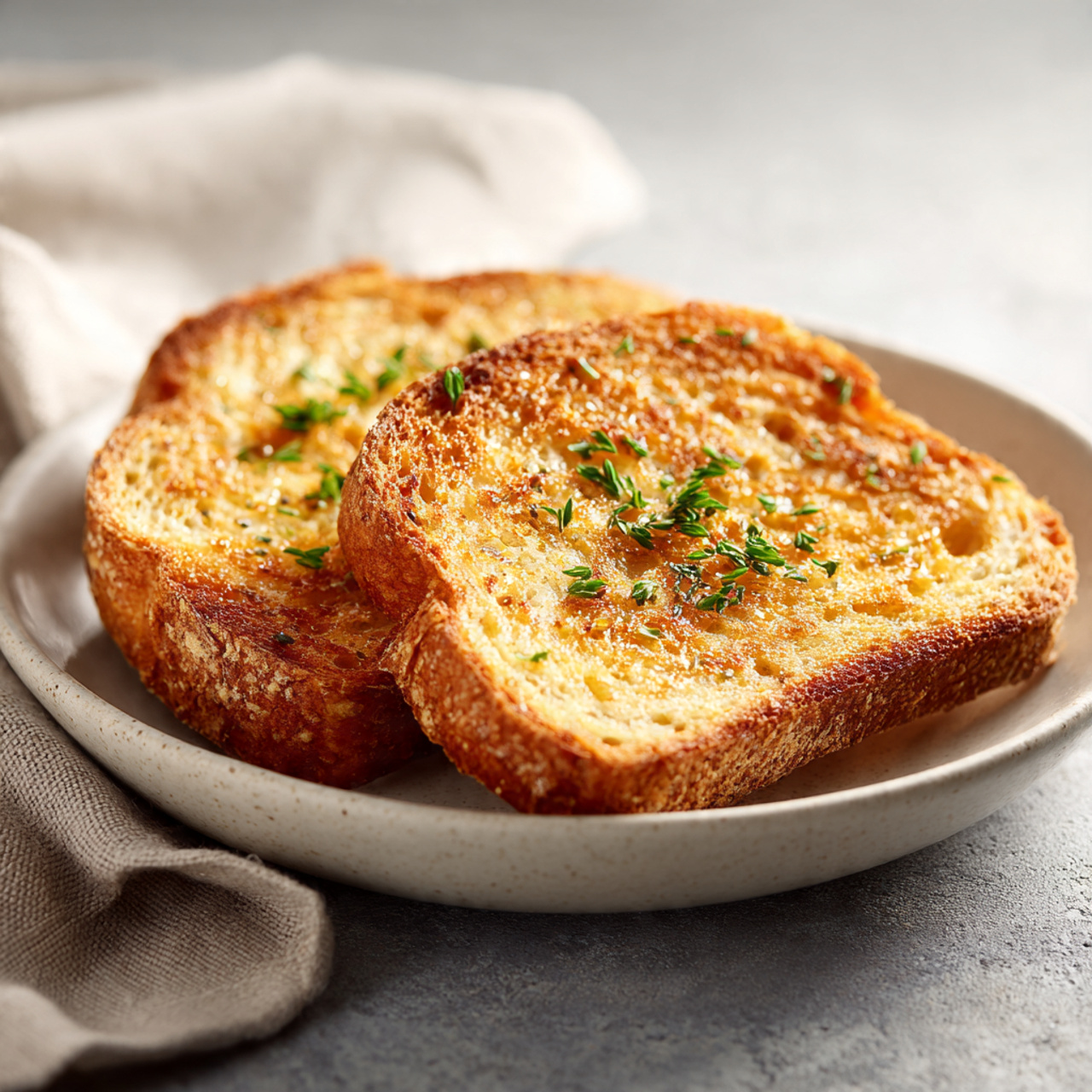
- Toasted the next morning with a fried egg on top
- Sliced thick and used as the base for an open-faced sandwich
For storage, wrap the cooled loaf in a clean kitchen towel and leave it at room temperature. Avoid plastic bags, which trap moisture and turn that beautiful crust soft and chewy in the worst way. The loaf keeps well for 3 days, and honestly, day-two toast is one of life's underrated pleasures.
If you want to freeze it, slice the whole loaf first and store in a zip-top freezer bag. Individual slices can go straight from freezer to toaster whenever the craving hits.