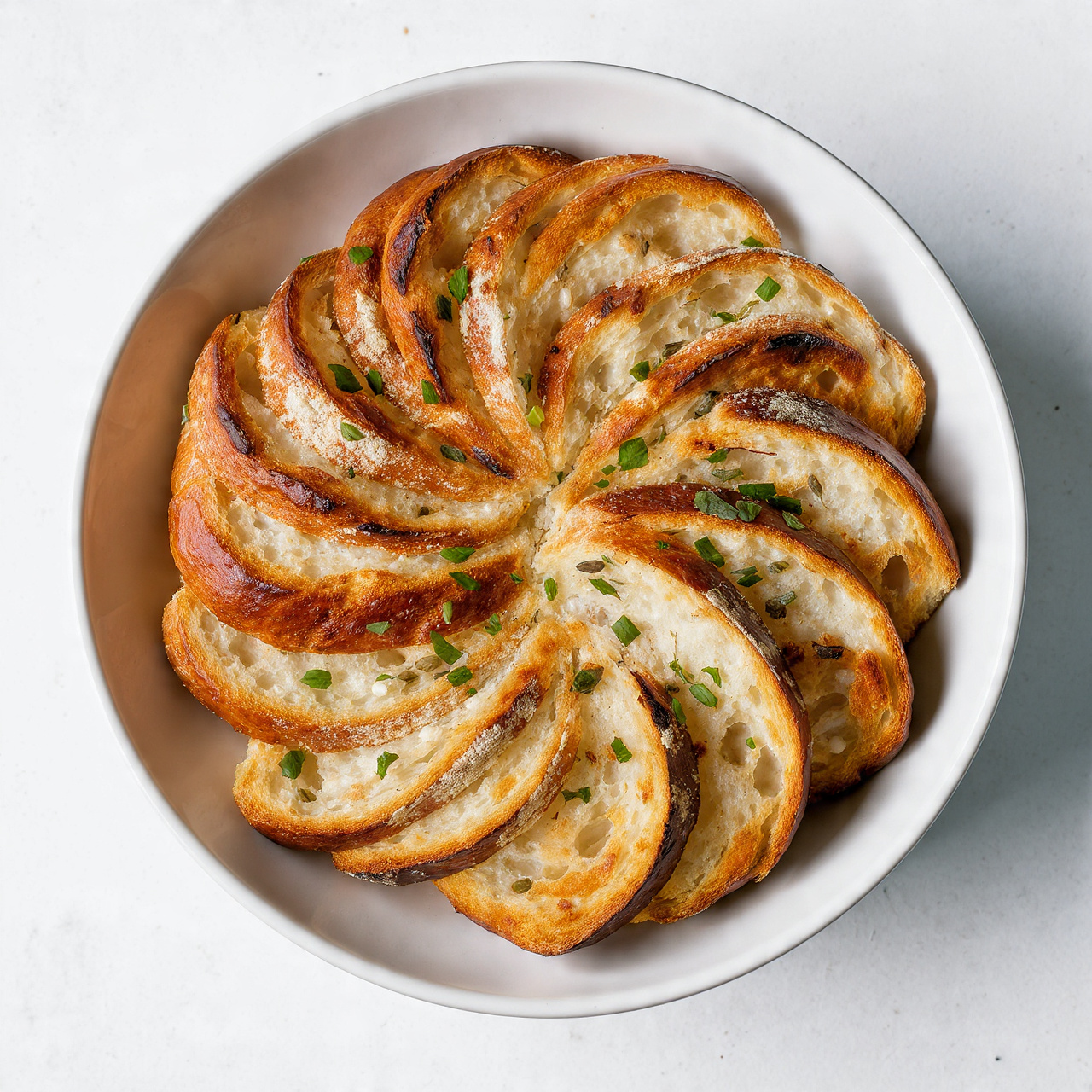
Easy Sourdough Discard Bread (Soft Sandwich Loaf)
This easy sourdough discard bread bakes up into a soft, tangy sandwich loaf with minimal effort and no wasted starter. Perfect for beginner bakers and seasoned sourdough lovers alike.

The Best Thing You Can Do With Sourdough Discard Is Bake This Loaf
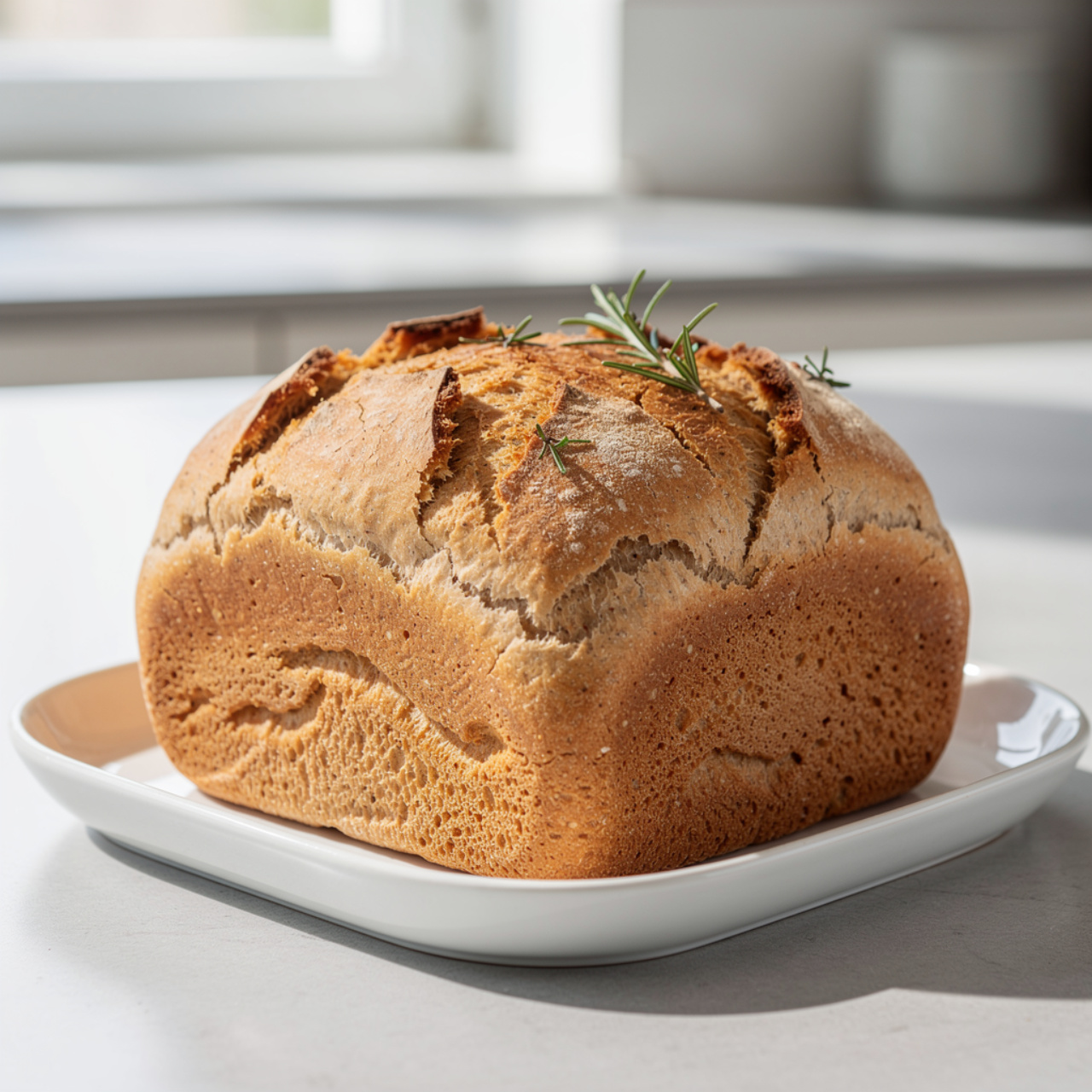
If you keep a sourdough starter, you already know the guilt that comes with pouring discard down the drain. It feels wasteful, especially when you can smell that tangy, yeasty potential in every cup of it. This easy sourdough discard sandwich bread is the recipe that changed how I think about discard entirely. It is soft, lightly tangy, perfectly sliceable, and honestly one of the best everyday loaves I have ever pulled out of an oven.
This is not a long-ferment, artisan-style sourdough boule. There are no overnight rests, no scoring, no Dutch ovens. This is a quick sourdough discard bread built for real life, using instant yeast to give the rise a reliable boost while the discard layers in that signature tang and depth. Think of it as a sourdough bread starter discard recipe that delivers maximum reward for minimum fuss.
Getting the right tools together genuinely changes how this bread turns out. A proper 9x5 loaf pan gives you those tall, square sandwich slices, and an instant-read thermometer takes the guesswork out of knowing when the crumb is fully baked through.
Why This Recipe Works for Beginner Bakers
A lot of beginner sourdough loaf recipes assume you have weeks of practice under your belt. This one does not. By combining discard with instant yeast, you get a dough that rises predictably and on a normal timeline, usually under three hours from start to finish. No levain builds, no stretch-and-fold sessions, no babysitting.
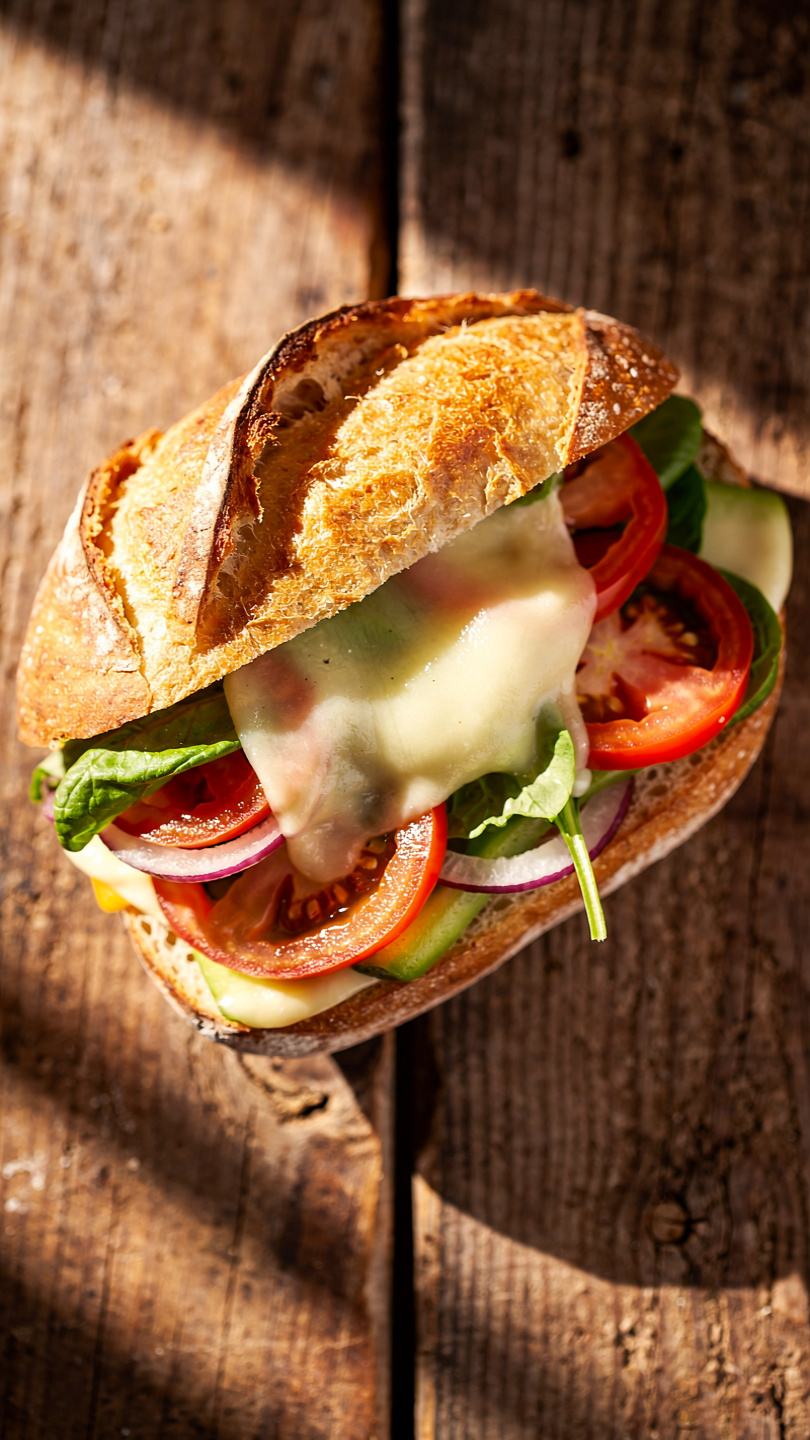
The result is what I call a sourdough discard sandwich loaf: soft enough for a turkey club, sturdy enough to hold up to a thick schmear of peanut butter, and flavorful enough to eat plain with a pat of good butter.
Chef's Tip: The key to a tight, even crumb in a sandwich loaf is rolling the dough snugly before placing it in the pan. A loose roll leads to big air pockets that make slicing messy and spreading frustrating.
Choosing Your Flour
Bread flour is the first choice here because its higher protein content builds more gluten, giving the loaf that chewy, slightly elastic crumb you want in a sourdough discard sandwich bread recipe. That said, all-purpose flour works perfectly well and produces a slightly softer, more tender slice, which some people actually prefer.
- Bread flour: Chewier texture, better structure, ideal for sandwich use
- All-purpose flour: Softer crumb, more pillowy, slightly lighter flavor
- Half and half: A great middle ground if you want the best of both
Whichever flour you choose, measure by weight if you can. Too much flour is the single most common reason a homemade loaf turns out dense.
The Two-Rise Method Explained
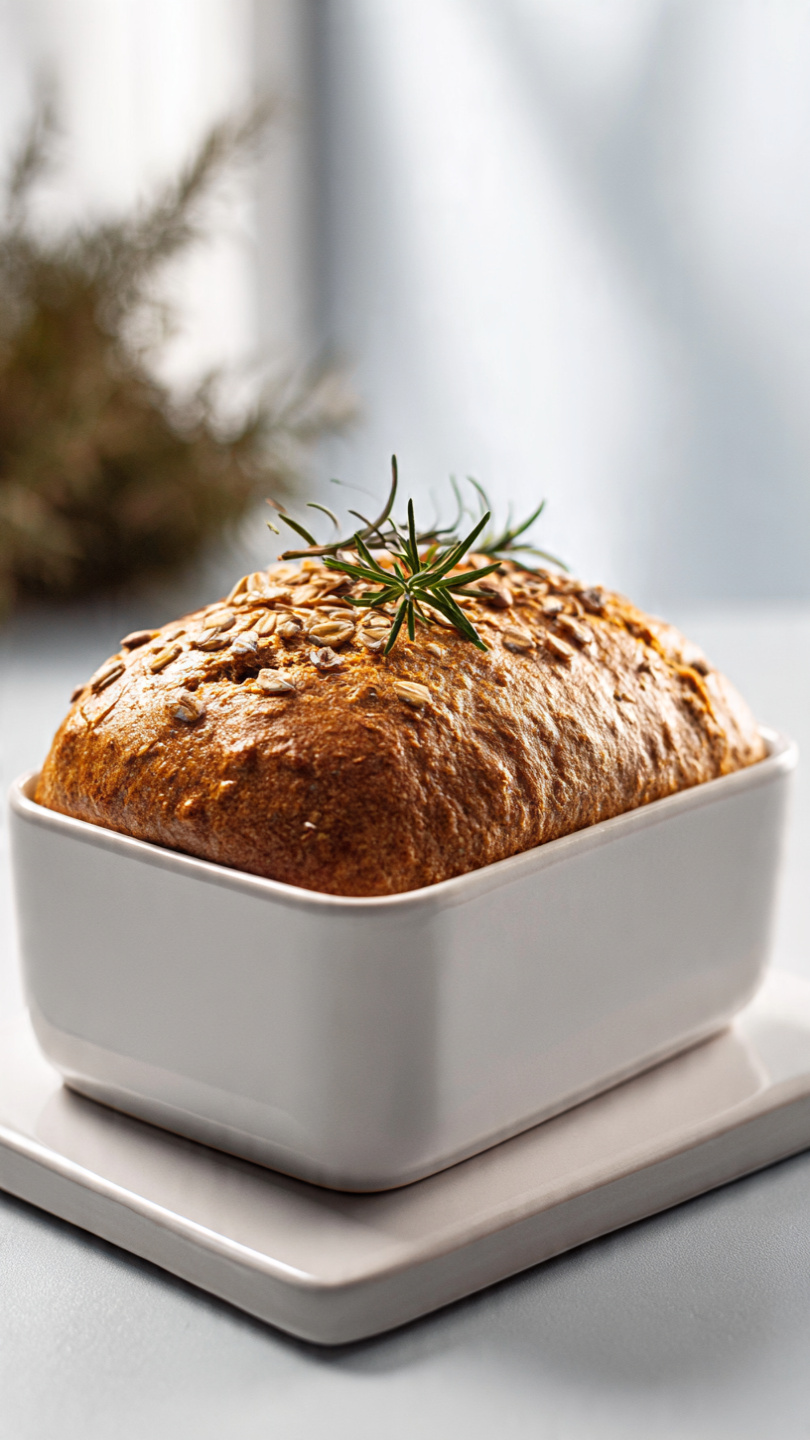
This easy sourdough discard sandwich bread uses a classic two-rise structure. The first rise, called the bulk fermentation, builds flavor and develops the gluten network. The second rise, called the proof, happens in the loaf pan and gives the bread its final shape and that beautiful crown above the rim.
Both rises benefit from a warm environment, ideally around 75 to 80 degrees F. If your kitchen runs cold, try placing the covered dough in an oven with just the light on, or near a warm stovetop.
Chef's Tip: Do not rush the second rise. If the dough has not crowned at least one inch above the rim of the pan, give it another 15 to 20 minutes. An under-proofed loaf bakes up dense and can split awkwardly along the sides.
Tips for Getting That Perfect Golden Crust
For a deeply golden, slightly glossy crust, brush the top of the loaf with a thin wash of melted butter or a beaten egg right before it goes into the oven. The butter version gives a richer, matte finish. The egg wash produces that bakery-style shine.
Either way, pulling the loaf when the internal temperature hits 190 to 195 degrees F is non-negotiable. It is the only reliable way to know the crumb is fully set. A loaf pulled too early will be gummy in the center no matter how golden the crust looks.
Ready to put that discard to seriously delicious use? Here is the full recipe:
Easy Sourdough Discard Bread (Soft Sandwich Loaf)
This easy sourdough discard bread bakes up into a soft, tangy sandwich loaf with minimal effort and no wasted starter. Perfect for beginner bakers and seasoned sourdough lovers alike.
Ingredients
- 1 cup sourdough discard, unfed, at room temperature
- 1/2 cup warm water, around 110 degrees F
- 2 1/4 tsp instant yeast, one standard packet
- 2 tbsp granulated sugar, helps activate the yeast and tenderizes the crumb
- 1 1/2 tsp fine sea salt
- 2 tbsp neutral oil or melted butter, avocado oil or unsalted butter both work beautifully
- 2 1/2 cups bread flour, plus more for dusting; all-purpose flour works as a substitute
Instruction
In a large mixing bowl or the bowl of a stand mixer, combine the warm water, instant yeast, and sugar. Stir gently and let sit for 5 minutes until the mixture looks slightly foamy.
Add the sourdough discard, salt, and oil or melted butter to the yeast mixture. Stir until roughly combined.
Add the bread flour one cup at a time, mixing between additions. Once a shaggy dough forms, knead by hand on a lightly floured surface for 8 to 10 minutes, or use a dough hook on medium speed for 6 to 7 minutes, until the dough is smooth, elastic, and slightly tacky but not sticky.
Shape the dough into a ball and place it in a lightly oiled bowl. Cover with plastic wrap or a damp kitchen towel and let it rise in a warm spot for 1 to 1.5 hours, or until doubled in size.
Punch down the dough gently and turn it out onto a lightly floured surface. Flatten it into a rough rectangle about as wide as your loaf pan. Roll it up tightly into a log, then pinch the seam closed.
Place the shaped loaf seam-side down into a greased 9x5 inch loaf pan. Cover loosely and let it rise again for 45 minutes to 1 hour, until the dough crowns about 1 inch above the rim of the pan.
While the dough is on its second rise, preheat your oven to 375 degrees F (190 degrees C).
Bake the loaf for 35 to 40 minutes, until deep golden brown on top and the internal temperature reads 190 to 195 degrees F on an instant-read thermometer.
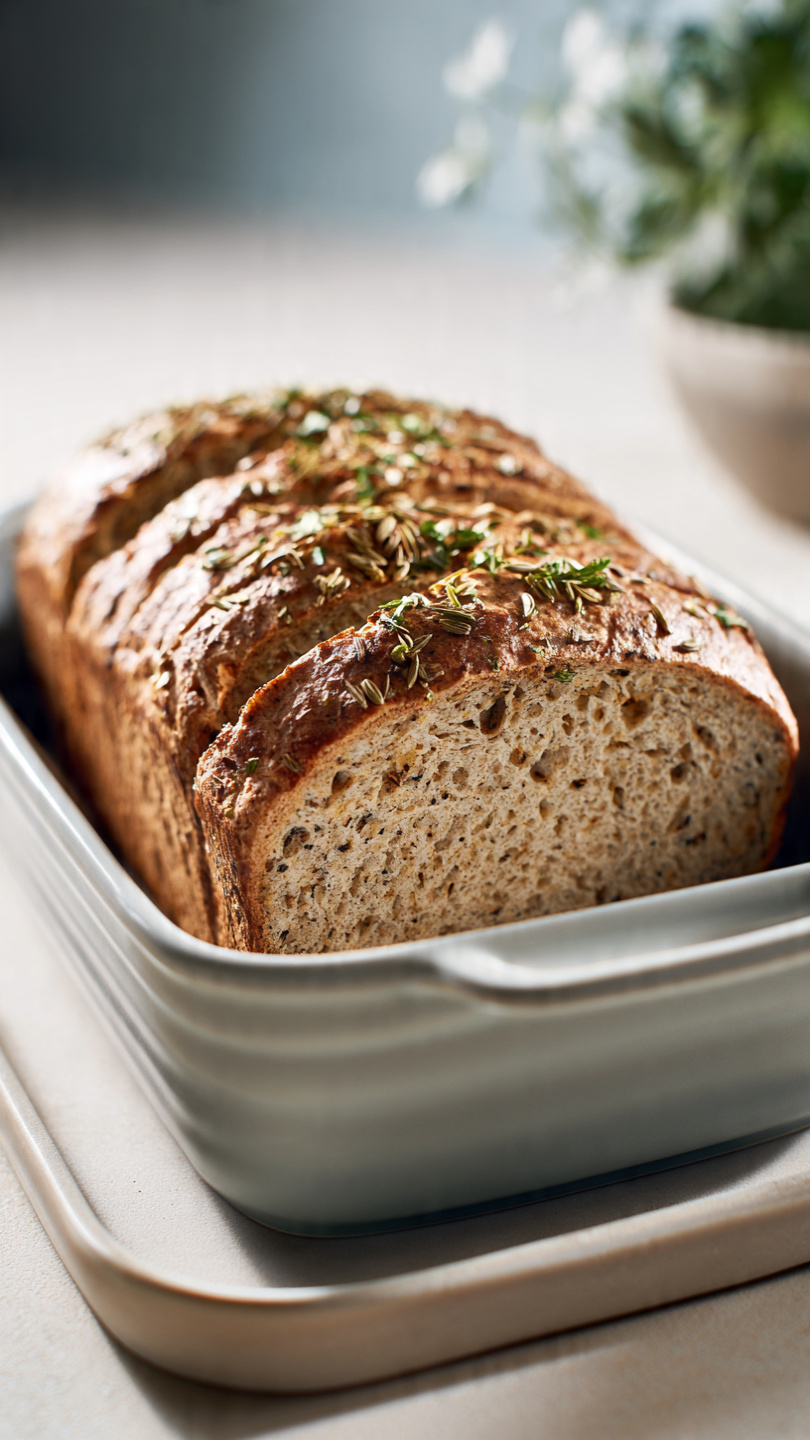
Remove from the oven and let the bread cool in the pan for 10 minutes, then transfer to a wire rack. Allow the loaf to cool for at least 30 minutes before slicing for the cleanest cut.
Equipment
- Large mixing bowl
- Stand mixer with dough hook (optional)
- 9x5 inch loaf pan
- Plastic wrap or damp kitchen towel
- Instant-read thermometer
- Wire cooling rack
Notes
Serving, Storing, and Making It Your Own
This loaf shines as a classic easy sourdough sandwich bread, but it is also wonderful toasted with jam, torn into chunks alongside a bowl of soup, or used as the base for thick-cut French toast.
For storage, wrap the cooled loaf tightly in plastic or beeswax wrap and keep it at room temperature for up to three days. Sliced and frozen, it keeps beautifully for two months. Individual slices toast straight from frozen in about two minutes.
Want to customize it?
- Add 2 tablespoons of honey in place of sugar for a slightly sweeter, more enriched loaf
- Fold in 0.5 cup of shredded cheddar and a teaspoon of garlic powder for a savory pull-apart variation
- Swap half the bread flour for whole wheat flour for a heartier, nuttier crumb
However you slice it, this sourdough discard sandwich loaf is the kind of recipe that earns a permanent spot in your weekly rotation.