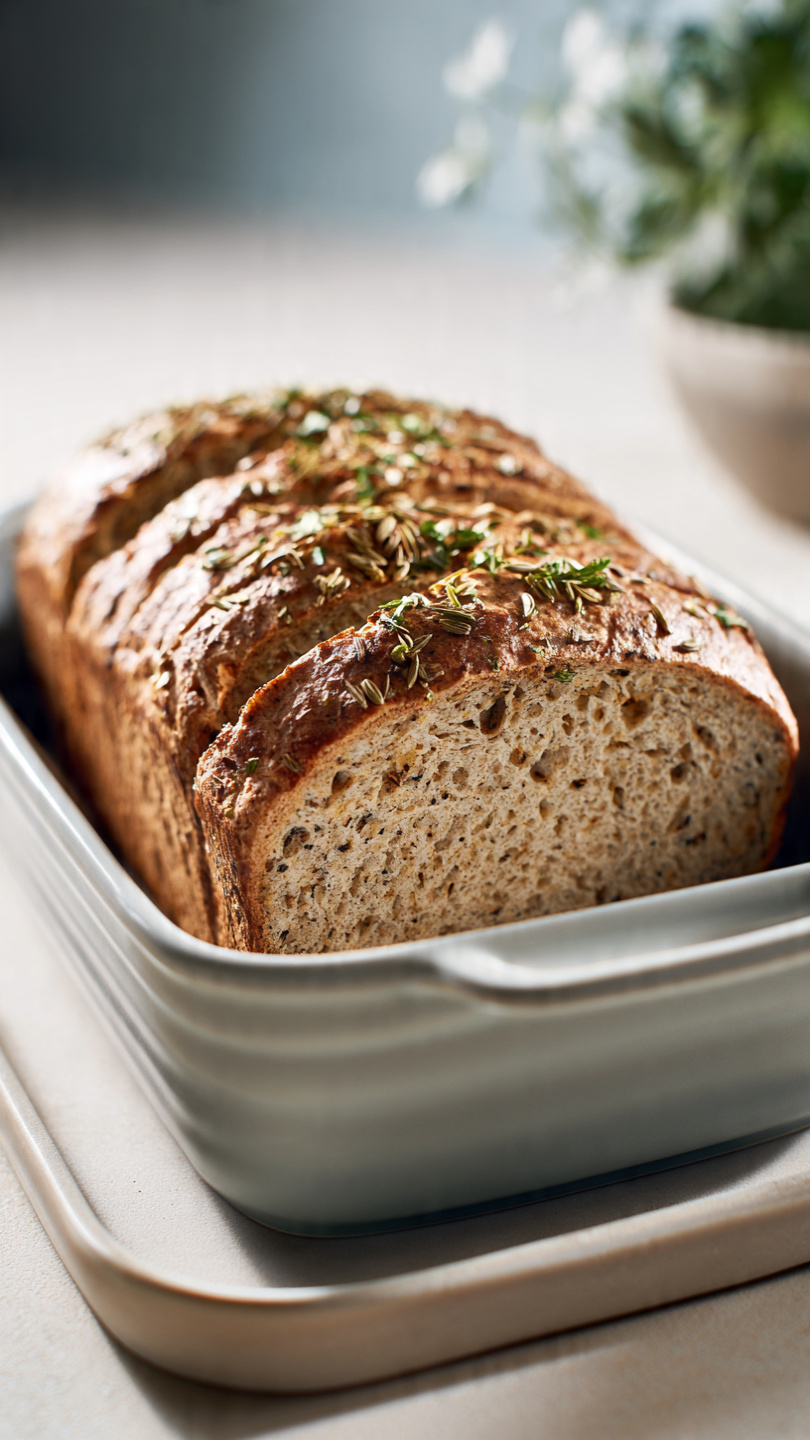
Sourdough Rye Bread Recipe (Tangy, Chewy, and Deeply Flavorful)
This sourdough rye bread recipe delivers a beautifully tangy, chewy loaf with a crackling crust and rich, earthy flavor. Made with a rye sourdough starter, it is the ultimate homemade bread for serious bakers.

The Sourdough Rye Bread You Will Want to Bake Every Week
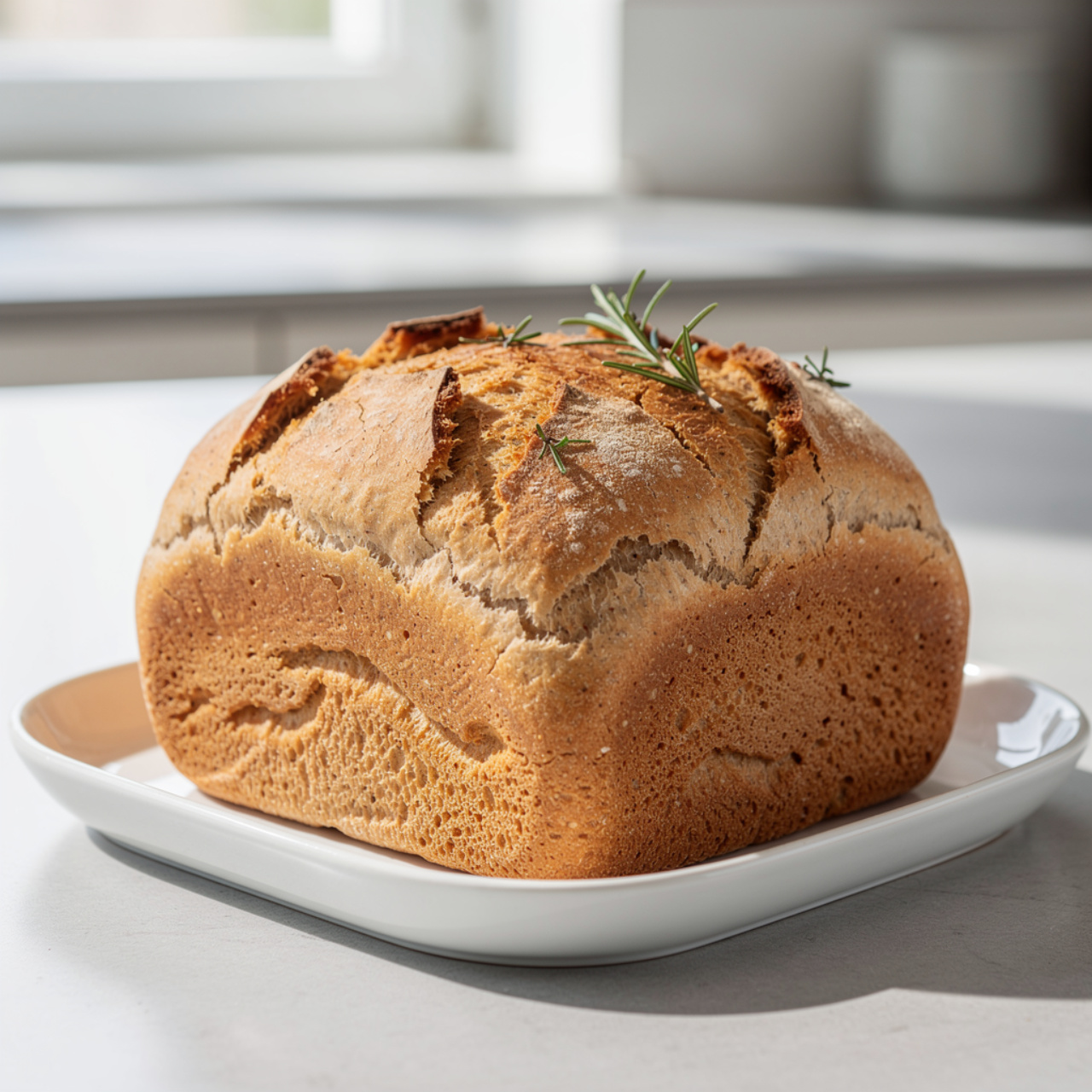
There is something quietly extraordinary about a loaf of sourdough rye bread fresh from the oven. The crust cracks when you press it. The interior is dense but tender, with a tight, moist crumb and that unmistakable sour depth that only wild fermentation can produce. It is the kind of bread that makes your kitchen smell incredible and your toast taste like something from a proper European bakery.
This rye sourdough bread recipe is built for home bakers who want real flavor without shortcuts. It uses a combination of dark rye flour and bread flour, which gives you the earthy, complex taste of a traditional rye sourdough recipe while still achieving a satisfying rise. Whether you are new to sourdough or already baking regularly, this guide will walk you through every step with clarity and confidence.
Before mixing a single gram of flour, it is worth investing in a few tools that genuinely change your results. A reliable kitchen scale, a quality proofing basket, and a heavy Dutch oven are not luxuries here. They are the difference between a loaf that works and one that truly shines.
Why Rye Flour Makes Sourdough Better
Rye flour is not just a flavor choice. It is a fermentation accelerator. The bran in rye flour is packed with wild yeast food and fermentable sugars, which means your rye sourdough starter will be more active, more sour, and more alive than one fed purely on white flour.
When you use dark rye flour in a sourdough rye bread recipe, you are adding:
- Deep, earthy flavor that white flour simply cannot replicate
- A tighter, moist crumb that stays fresh longer than most sourdoughs
- More fiber and nutrients per slice
- Faster fermentation, which is especially helpful during cold months
Chef's Tip: If your rye sourdough starter has been sitting in the fridge, give it two consecutive feedings with rye flour before baking. A sluggish starter is the number one reason rye bread comes out flat and dense.
Building Your Rye Sourdough Starter
If you do not already have an active rye starter recipe going, this is where everything begins. A rye starter is genuinely easy to maintain. Because rye flour ferments so readily, a new rye starter culture can be ready to bake with in as little as 5 days, compared to 7 to 10 days for a white flour starter.
Feed it equal weights of dark rye flour and water once a day, discard half each time, and keep it somewhere warm, ideally between 72 and 78 degrees F. You will know it is ready when it doubles reliably within 6 to 8 hours of a feeding and smells pleasantly tangy, not harsh or alcoholic.
For this rye sourdough recipe, you want your starter at peak activity when it hits the dough. Plan your feeding schedule accordingly.
The Secret to Great Rye Sourdough Bread
Rye dough behaves differently than wheat-based sourdough. It is stickier, heavier, and less stretchy because rye contains very little gluten. That is not a flaw. It is just rye being rye. Here is how to work with it rather than against it:
Do not over-knead. Rye dough does not need aggressive kneading. Gentle stretch-and-folds during bulk fermentation are all it needs to develop structure.
Use a cold overnight proof. This is perhaps the single most important step in this sour dough rye bread recipe. The cold retard slows fermentation down, gives the dough time to develop a deeply complex flavor, and makes the loaf much easier to score straight from the fridge.
Bake it covered first. Starting the bake with a lid on your Dutch oven traps steam, which keeps the crust soft long enough for the loaf to expand fully before setting.
Chef's Tip: Score your rye sourdough loaf with one confident, decisive slash at a 30-degree angle while the dough is still cold. A cold loaf holds its shape and gives you a cleaner ear.
How to Make Rye Bread With Sourdough Starter
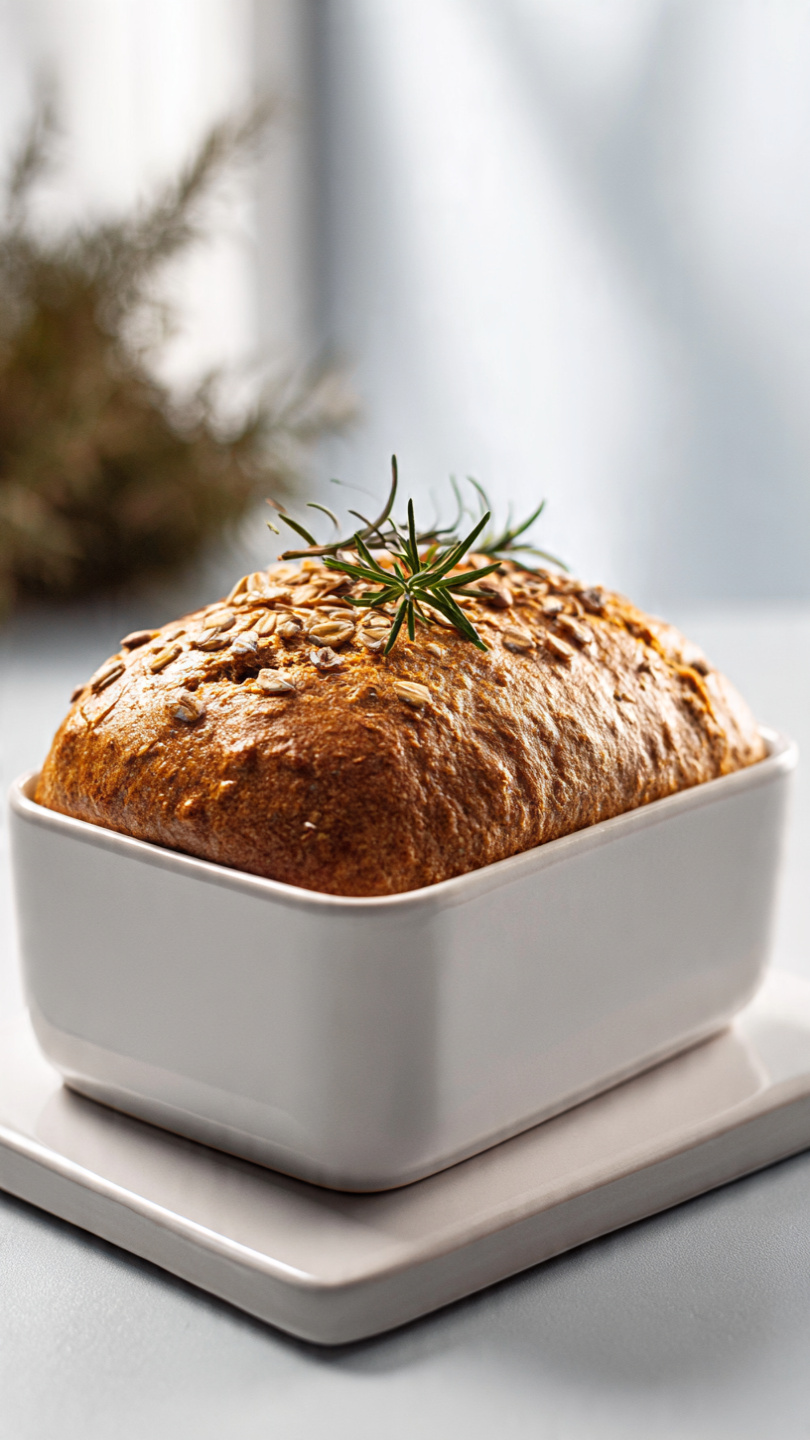
The process is straightforward once you understand the rhythm. Mix, rest, fold, shape, cold proof, bake. The most hands-off bread you will ever make, and also one of the most rewarding. The molasses in this recipe adds a subtle richness and that characteristic dark color you see in classic rye loaves. The caraway seeds are optional, but they bring an aromatic, slightly anise-like quality that feels completely at home in a rye sourdough bread recipe.
Ready to bake your best loaf yet? Here is everything you need:
Sourdough Rye Bread Recipe (Tangy, Chewy, and Deeply Flavorful)
This sourdough rye bread recipe delivers a beautifully tangy, chewy loaf with a crackling crust and rich, earthy flavor. Made with a rye sourdough starter, it is the ultimate homemade bread for serious bakers.
Ingredients
- 1/2 cup active rye sourdough starter, fed 6-8 hours before use, bubbly and active
- 1 1/2 cups dark rye flour, whole grain preferred for deeper flavor
- 2 cups bread flour, plus extra for dusting
- 1 1/4 cups warm water, around 80 degrees F (27 degrees C)
- 1 1/2 tsp fine sea salt
- 1 tbsp caraway seeds, optional but highly recommended
- 1 tbsp molasses, adds color, depth, and a subtle sweetness
Instruction
Feed your rye sourdough starter 6 to 8 hours before you plan to mix your dough. It should be bubbly, doubled, and smell pleasantly sour when ready.
In a large mixing bowl, whisk together the dark rye flour and bread flour. Set aside.
In a separate bowl, combine the warm water, active rye starter, and molasses. Stir until fully dissolved and combined.
Pour the wet ingredients into the dry flour mixture. Use a dough scraper or your hands to mix until no dry flour remains. The dough will feel dense and slightly sticky due to the rye. Cover with a damp towel and let it rest for 30 minutes (autolyse).
Sprinkle the salt and caraway seeds over the dough. Work them in thoroughly by folding and squeezing the dough for about 2 minutes.
Perform 4 sets of stretch-and-folds over the next 2 hours, spaced 30 minutes apart. After each set, cover the bowl and leave the dough to rest.
After the final fold, shape the dough gently into a round or oval loaf. Place it seam-side up into a well-floured proofing basket (banneton) or a bowl lined with a floured kitchen towel.
Cover tightly with plastic wrap and refrigerate for a cold overnight proof of 10 to 14 hours. This long cold ferment deepens the sour flavor and improves the crumb structure.
When ready to bake, place a Dutch oven (with lid) on the center rack of your oven. Preheat the oven to 500 degrees F (260 degrees C) for at least 45 minutes.
Carefully turn the cold dough out onto a sheet of parchment paper. Use a sharp lame or razor blade to score the top with one confident slash at a 30-degree angle.
Lift the parchment and dough into the hot Dutch oven. Cover with the lid and bake for 20 minutes.
Remove the lid and reduce the oven temperature to 450 degrees F (230 degrees C). Continue baking for 22 to 25 minutes until the crust is a deep mahogany brown.
Remove the loaf from the Dutch oven and transfer it to a wire rack. Allow it to cool completely for at least 1 hour before slicing. Cutting too early will gum up the crumb.
Equipment
- Large mixing bowl
- Dough scraper
- Banneton proofing basket or bowl with kitchen towel
- Dutch oven (5 quart or larger)
- Bread lame or sharp razor blade
- Parchment paper
- Wire cooling rack
- Kitchen scale (highly recommended)
Notes
Serving and Storing Your Sourdough Rye Bread
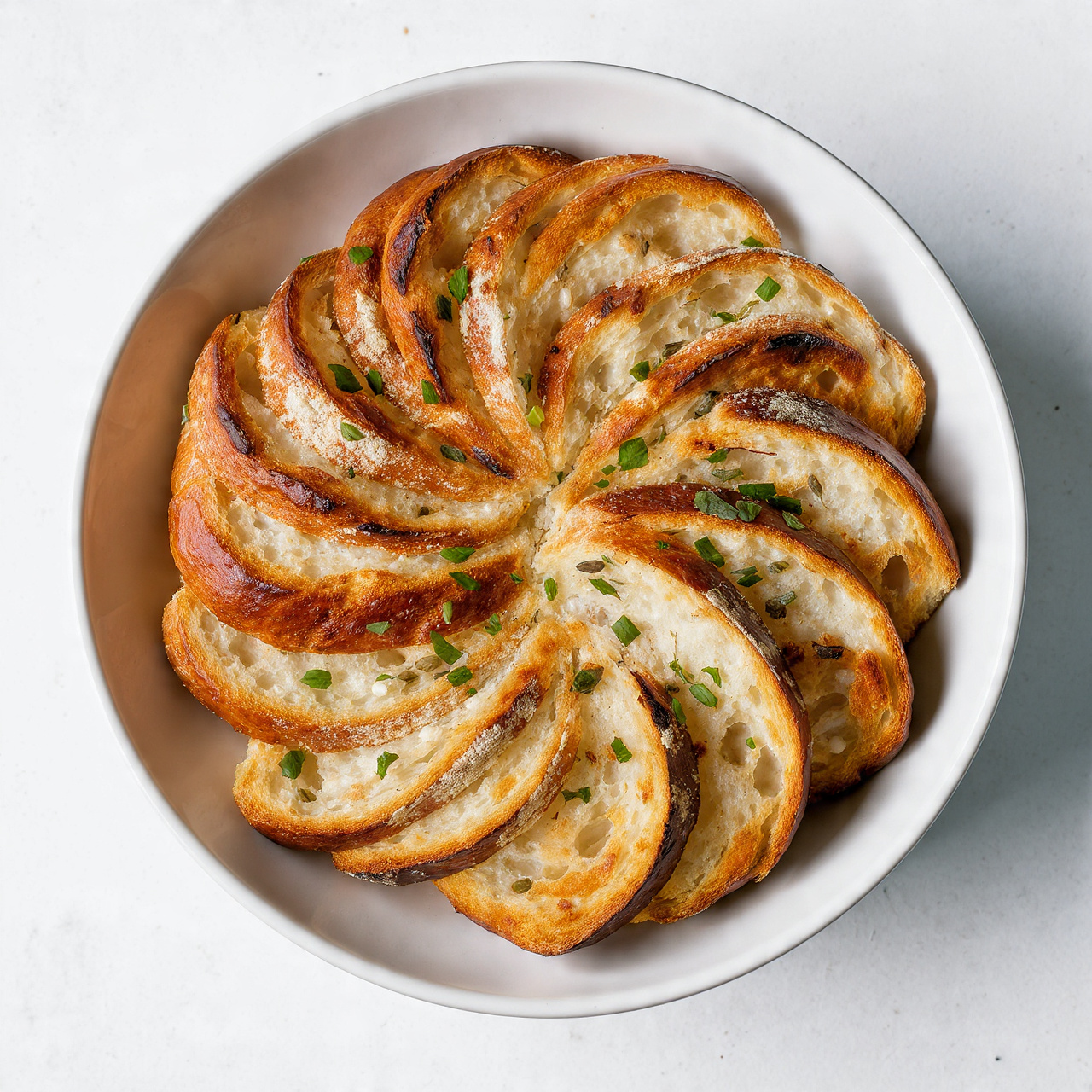
This bread is spectacular the day it is baked, but many experienced bakers argue it is even better on day two. The crumb firms up, the sour notes settle into a rounder, more balanced flavor, and every slice holds together beautifully.
Serve it with:
- Salted butter and a drizzle of honey for a simple, perfect breakfast
- Smoked salmon, cream cheese, and capers for a classic open-faced sandwich
- A hearty bowl of lentil or borscht soup for the ultimate cold-weather pairing
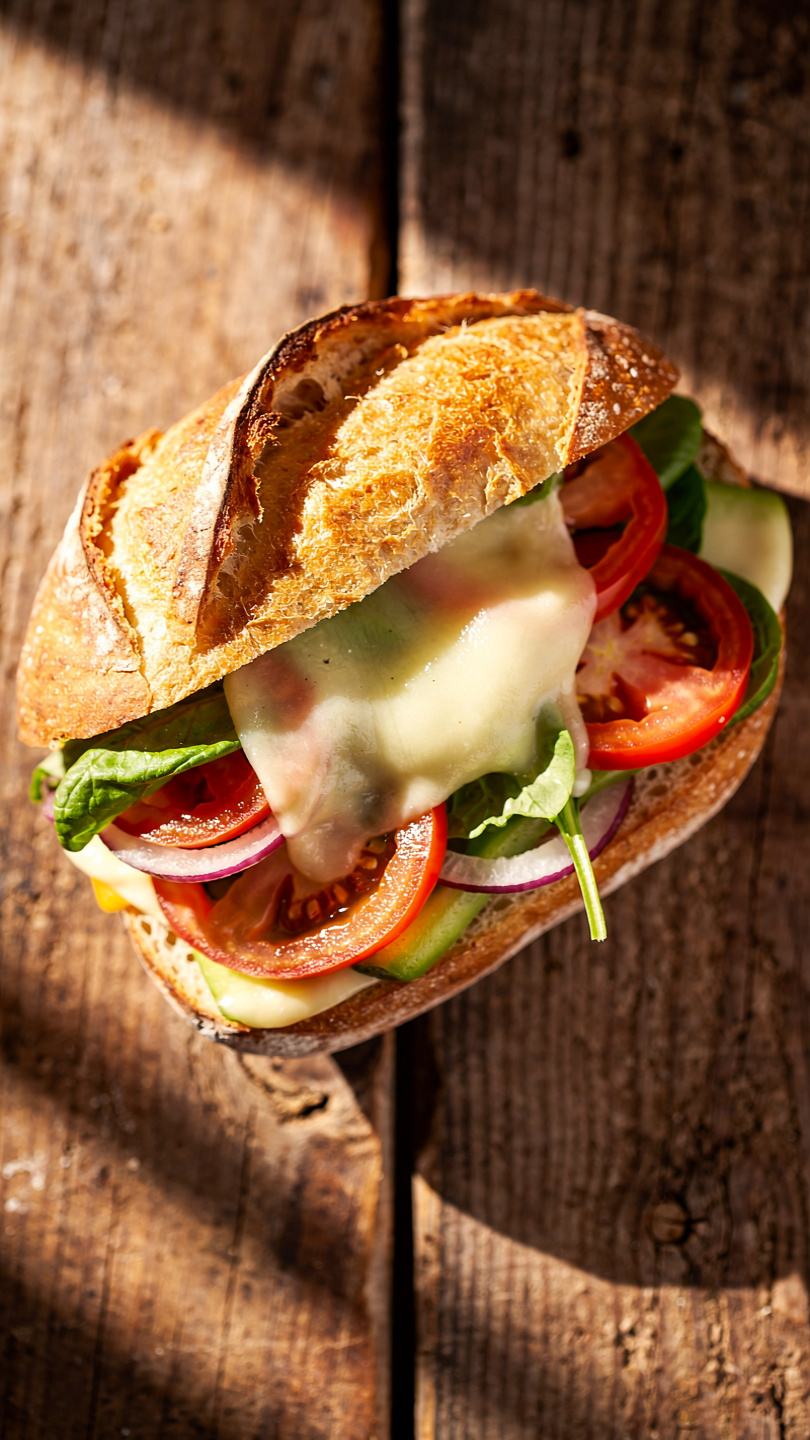
- Sharp aged cheddar and whole grain mustard for a lunch that needs nothing else
For storage, keep the loaf at room temperature wrapped loosely in a kitchen towel for up to 3 days. Avoid plastic bags, which trap moisture and turn the beautiful crust soft and chewy in the wrong way. For longer storage, slice and freeze. Rye sourdough freezes exceptionally well and toasts straight from frozen in about 2 minutes.
This rye sourdough bread recipe is one of those things you will make once and then wonder how you ever went without it. Happy baking.