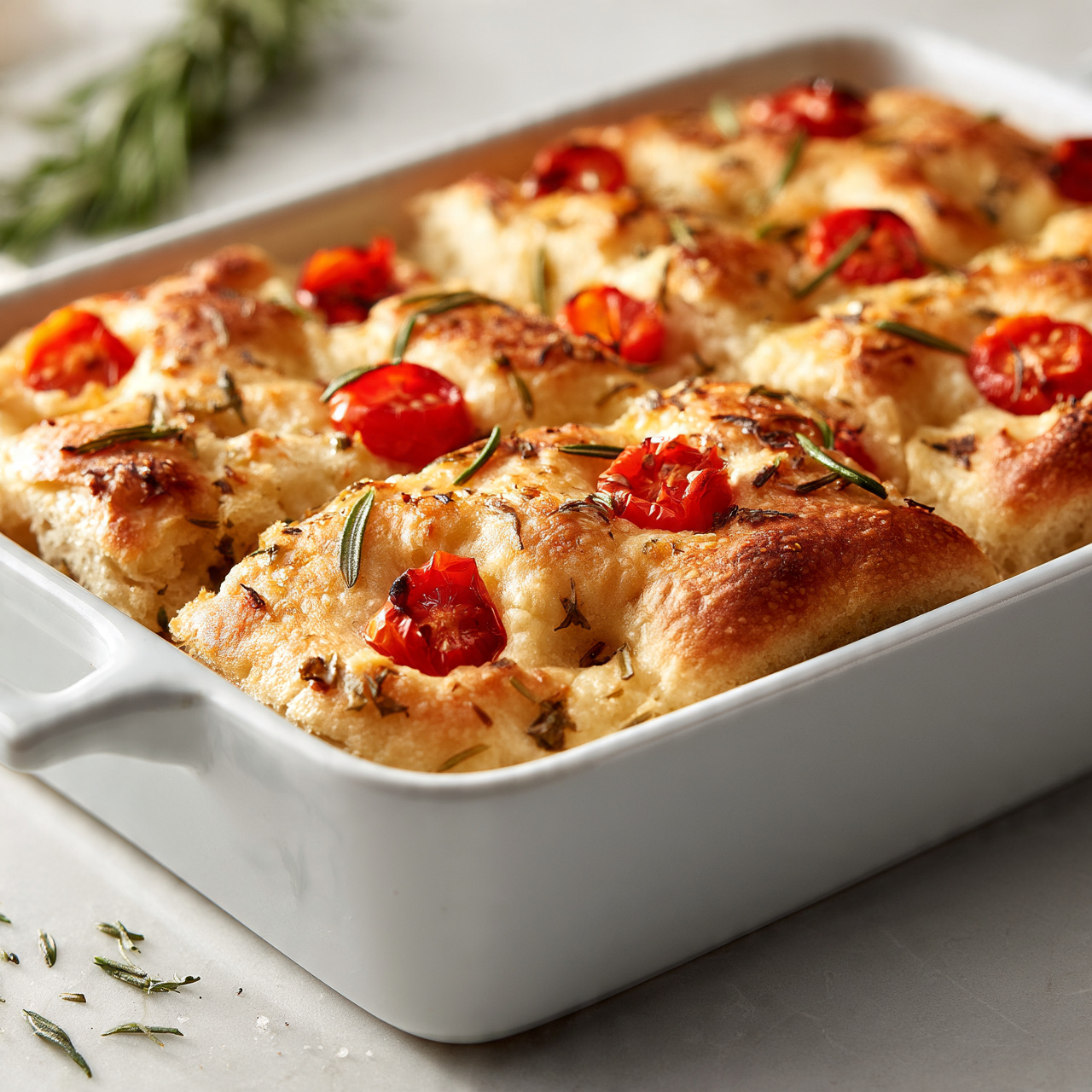
Sourdough Discard Focaccia Bread (Same-Day, No Yeast!)
This easy sourdough discard focaccia bread is golden, crispy on the outside, and pillowy soft inside. A same-day recipe that uses up your sourdough discard with zero commercial yeast needed.

The Best Thing You Can Do With Sourdough Discard (Seriously)
If you have been maintaining a sourdough starter for any amount of time, you know the guilt that comes with throwing away that discarded portion. It feels wasteful. But here is the thing: that tangy, bubbly, slightly funky discard is not trash. It is flavor, and this sourdough discard focaccia is proof.
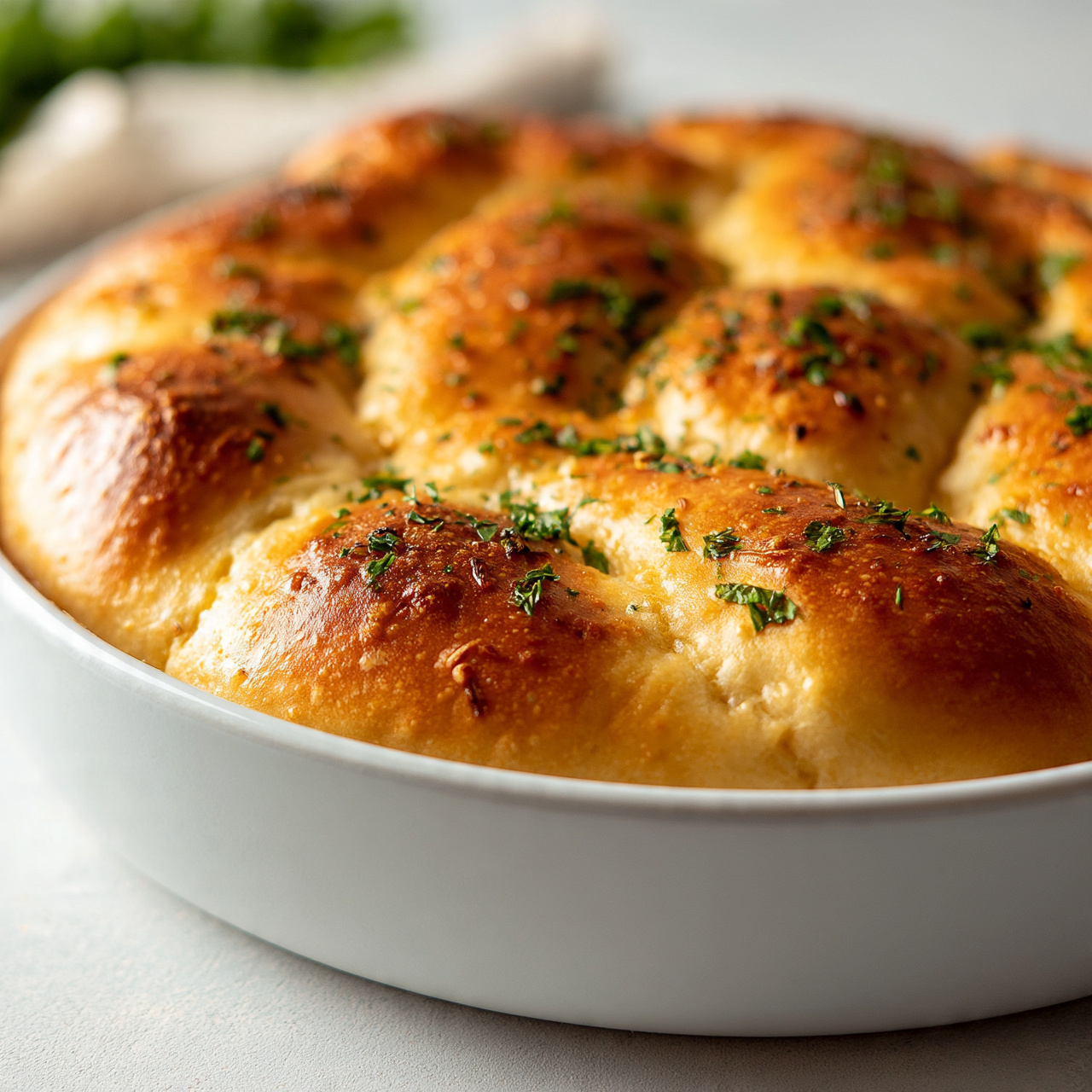
This is one of those recipes that feels like a reward. You pour a sticky, shaggy dough into an oiled pan, walk away for a few hours, and come back to something that smells like a bakery. The crust goes deep golden and shatters just slightly when you press it. The inside stays pillowy and open, with just enough chew. There is olive oil pooled in every dimple, flaky salt crystals catching the light, and rosemary perfuming the whole kitchen.
No commercial yeast. No stand mixer. No stretching and folding every 30 minutes. Just a bowl, a pan, and a little patience.
Why This Sourdough Discard Focaccia Works So Well
Focaccia is one of the most forgiving breads you can make, which makes it the ideal vehicle for a sourdough discard recipe. The dough is wet and sticky by design, so the fact that discard adds extra hydration and looseness is a feature, not a problem.
The wild yeast in your discard does all the leavening work here. Over 4 to 6 hours, those organisms wake up, eat the flour, and produce the carbon dioxide bubbles that make your focaccia light and airy. The lactic acid bacteria in the discard also contribute a gentle, complex tang that plain focaccia just does not have.
The result is a same-day sourdough focaccia that tastes like it took much longer to make.
Chef's Tip: The older your discard, the more sour the final bread will taste. For a milder, more crowd-pleasing flavor, use discard that has been in the fridge for 3 to 5 days. For a more pronounced tang, use discard that is closer to a week old.
The Ingredients That Actually Matter
This is a short ingredient list, which means every single item has a job to do. A few notes before you start:
- The discard: Unfed, straight from the fridge is fine. Let it come to room temperature for about 30 minutes before mixing for best results.
- The flour: All-purpose flour works beautifully here. Bread flour will give you a slightly chewier crumb if you prefer that texture.
- The olive oil: Please, use good olive oil. This is not the place for the neutral stuff. A grassy, peppery extra virgin olive oil is what gives focaccia its character. You use it in the dough, in the pan, and on top.
- The salt: Fine sea salt goes into the dough. Flaky finishing salt goes on top just before baking. That textural contrast is everything.
Having the right pan also makes a bigger difference than most people expect. A light-colored metal pan encourages even browning without scorching the bottom, and a rimmed sheet pan or baking dish with at least 2-inch sides gives the dough room to rise properly.
How To Make Focaccia Bread With Sourdough Discard
The process here is beautifully simple, but there are a few moments where technique really matters.
Mix, do not knead. The dough is intentionally wet and loose. You are not developing a tight gluten structure. You are just combining everything until no dry flour remains. A rubber spatula is your best tool here.
Give it time. The long room-temperature rest is where the magic happens. You will know the dough is ready when it looks visibly puffed and bubbly on the surface and feels airy when you gently shake the bowl.
Oil the pan generously. This is not optional. The olive oil that pools in the bottom of the pan is what creates that crispy, almost fried bottom crust that makes focaccia so irresistible. Use more than you think you need.
Press deep dimples. This is the most satisfying step. Use well-oiled fingertips and go deep, almost all the way to the bottom of the pan. These dimples trap olive oil and toppings, and they prevent the bread from puffing up too uniformly in the oven.
Chef's Tip: If the dough keeps springing back when you try to stretch it into the pan, do not fight it. Cover it and walk away for 10 minutes. The gluten will relax and the dough will spread willingly.
Topping Ideas Beyond the Classic
Rosemary and flaky salt is a timeless combination for focaccia, but this easy sourdough focaccia recipe is a blank canvas. Here are some ideas worth trying:
- Tomato and olive: Halved cherry tomatoes and pitted Kalamata olives pressed into the dimples
- Caramelized onion: Sweet, jammy onions spread across the top before baking
- Za'atar and lemon zest: For a bright, herby Middle Eastern twist
- Roasted red pepper and feta: Scattered on top in the last 10 minutes of baking
- Everything bagel seasoning: A crowd-pleasing shortcut that works surprisingly well
Whatever you choose, press toppings firmly into the dough so they bake into the bread rather than sitting loosely on the surface.
Ready to put that discard to the very best possible use? Here is the complete recipe:
Sourdough Discard Focaccia Bread (Same-Day, No Yeast!)
This easy sourdough discard focaccia bread is golden, crispy on the outside, and pillowy soft inside. A same-day recipe that uses up your sourdough discard with zero commercial yeast needed.
Ingredients
- 1 cup sourdough discard, unfed, at room temperature
- 2 cups all-purpose flour, spooned and leveled
- 3/4 cup warm water, around 90 to 100 degrees F
- 0 instant yeast, not needed — the discard provides leavening
- 1 1/2 tsp fine sea salt, plus more flaky salt for topping
- 6 tbsp extra virgin olive oil, divided, use the best quality you have
- 1 tsp flaky sea salt, for finishing
- 2 tbsp fresh rosemary, roughly chopped, optional but highly recommended
- 3 garlic cloves, thinly sliced, optional
Instruction
In a large mixing bowl, combine the sourdough discard, warm water, and 3 tablespoons of olive oil. Stir until smooth and well combined.
Add the flour and fine sea salt. Mix with a wooden spoon or rubber spatula until a shaggy, sticky dough forms. Do not knead. The dough will look rough and that is perfectly fine.
Cover the bowl tightly with plastic wrap or a damp towel and let the dough rest at room temperature for 4 to 6 hours, or until it has puffed noticeably and is full of bubbles. For a faster rise, place it in a warm oven (just the oven light on) for 3 to 4 hours.
Pour the remaining 3 tablespoons of olive oil into a 9x13 inch baking pan, coating the bottom and sides generously.
Scrape the risen dough into the oiled pan. Using your fingertips, gently stretch the dough toward the edges of the pan. If it springs back, let it rest for 10 minutes and stretch again.
Drizzle a little extra olive oil over the top of the dough. Cover loosely and let it rest for another 30 to 45 minutes until slightly puffed.
Preheat the oven to 425 degrees F (220 degrees C) during this second rest.
Uncover the dough and use oiled fingertips to press deep dimples all over the surface, going nearly all the way to the bottom of the pan.
Scatter the sliced garlic and fresh rosemary over the top, pressing them gently into the dimples. Finish with a generous pinch of flaky sea salt.
Bake for 25 to 30 minutes until deeply golden on top and the edges are crisp and pulling away from the pan.
Let the focaccia cool in the pan for at least 10 minutes before slicing. Drizzle with a touch more olive oil if desired before serving.
Equipment
- Large mixing bowl
- Rubber spatula or wooden spoon
- 9x13 inch baking pan
- Plastic wrap or damp kitchen towel
- Pastry brush (optional)
- Wire cooling rack
Notes
Serving, Storing, and Why There Will Not Be Leftovers
Focaccia is at its absolute best warm from the oven, torn into rough pieces with your hands rather than sliced cleanly. Serve it alongside a bowl of good olive oil for dipping, next to a simple salad, or as the base for an open-faced sandwich piled with fresh toppings.
If you do end up with leftovers, wrap them loosely in foil and keep them at room temperature for up to 2 days. A few minutes in a hot oven brings the crust right back to life. This bread also freezes extremely well, making it one of the most practical sourdough discard recipes to keep in your rotation.
Once you make this, the question will not be what to do with your discard. The question will be whether you have made enough focaccia.