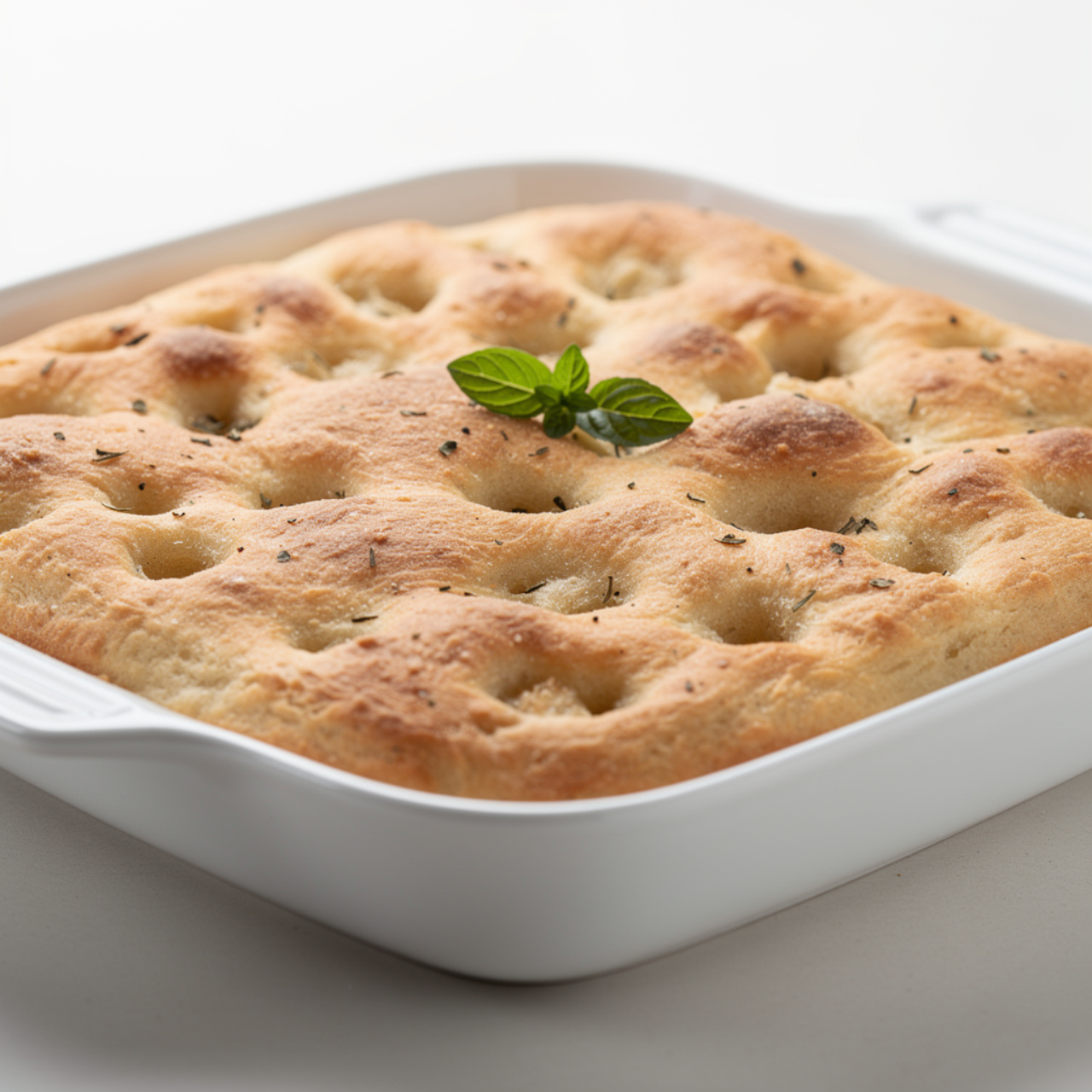
Sourdough Focaccia Bread (Crispy, Chewy, and Irresistible)
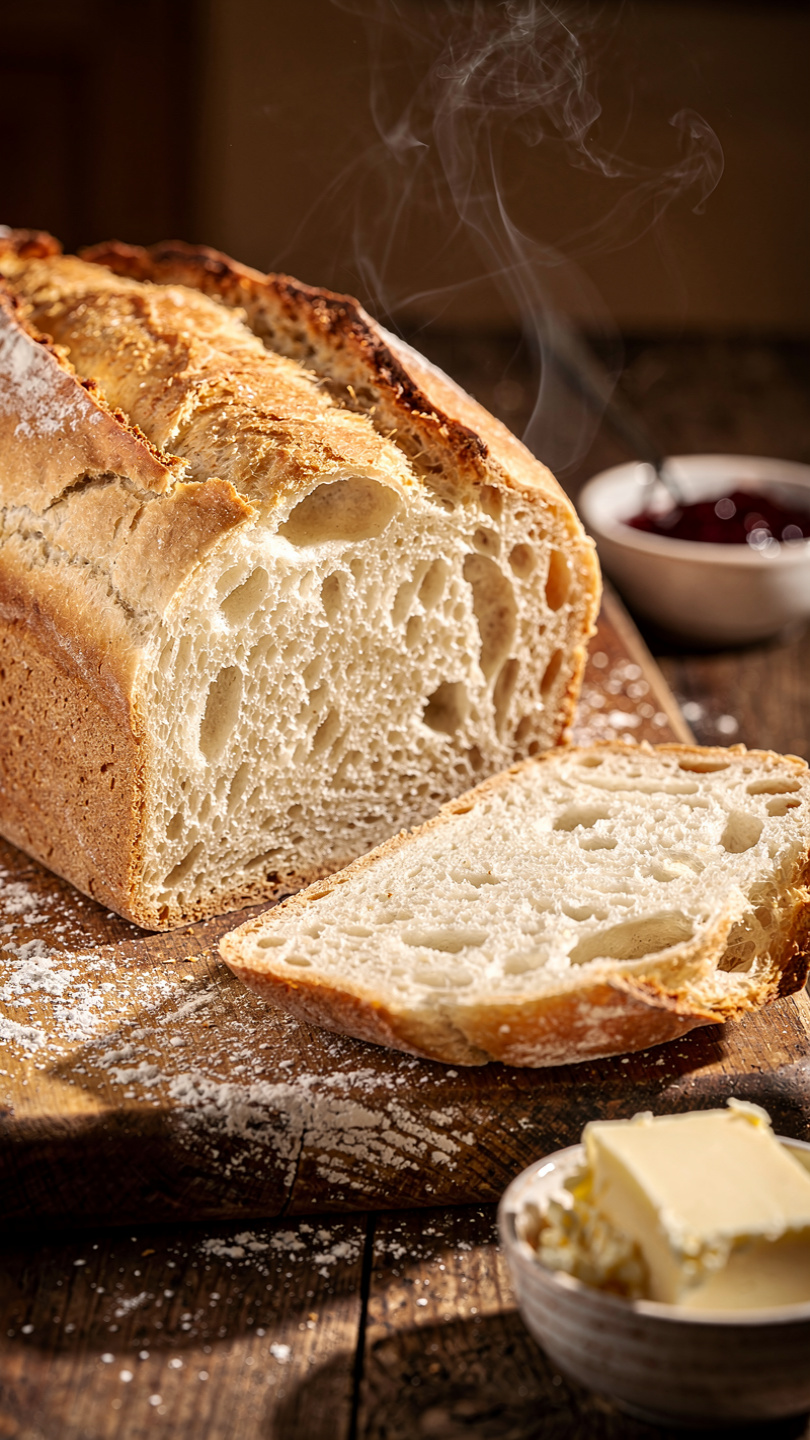
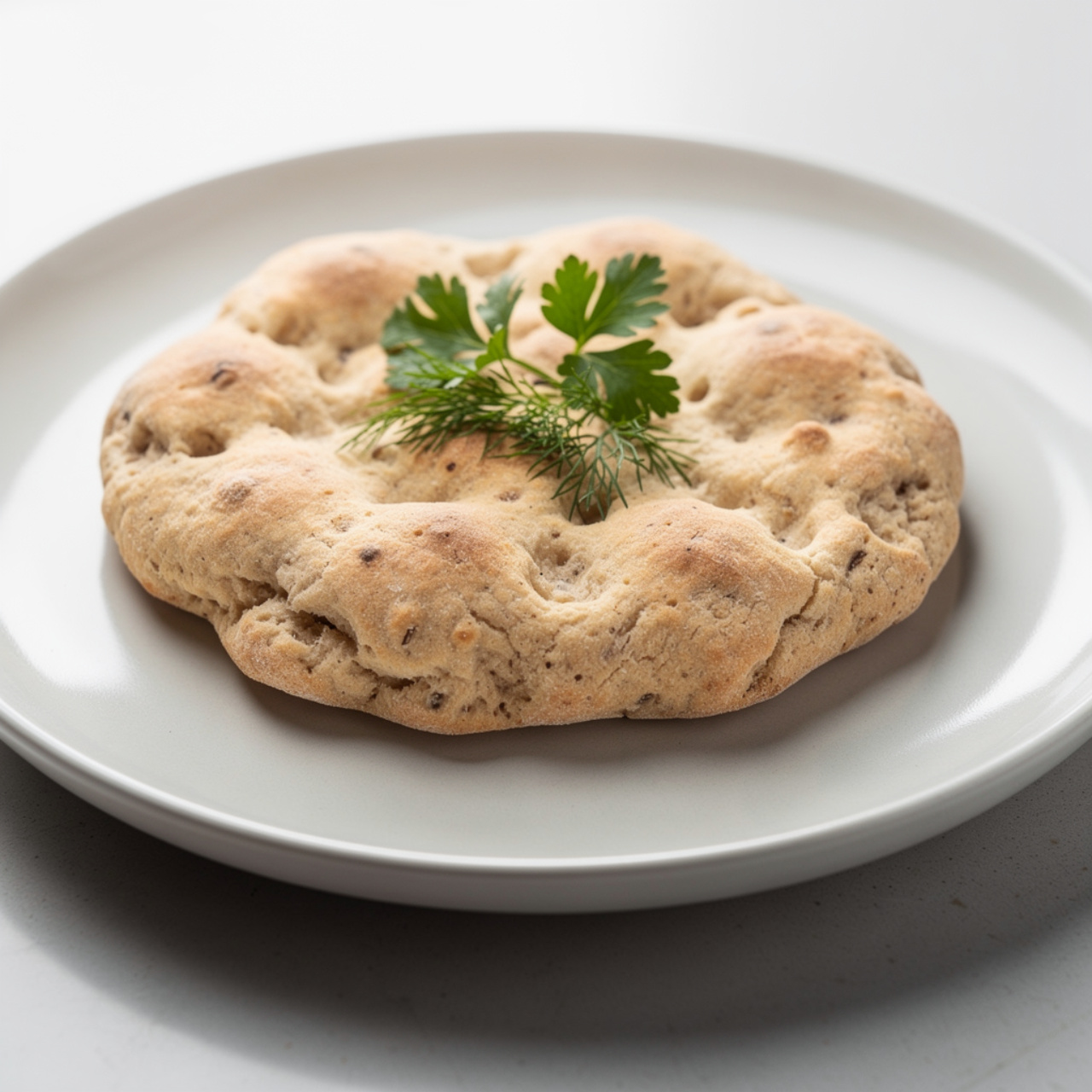
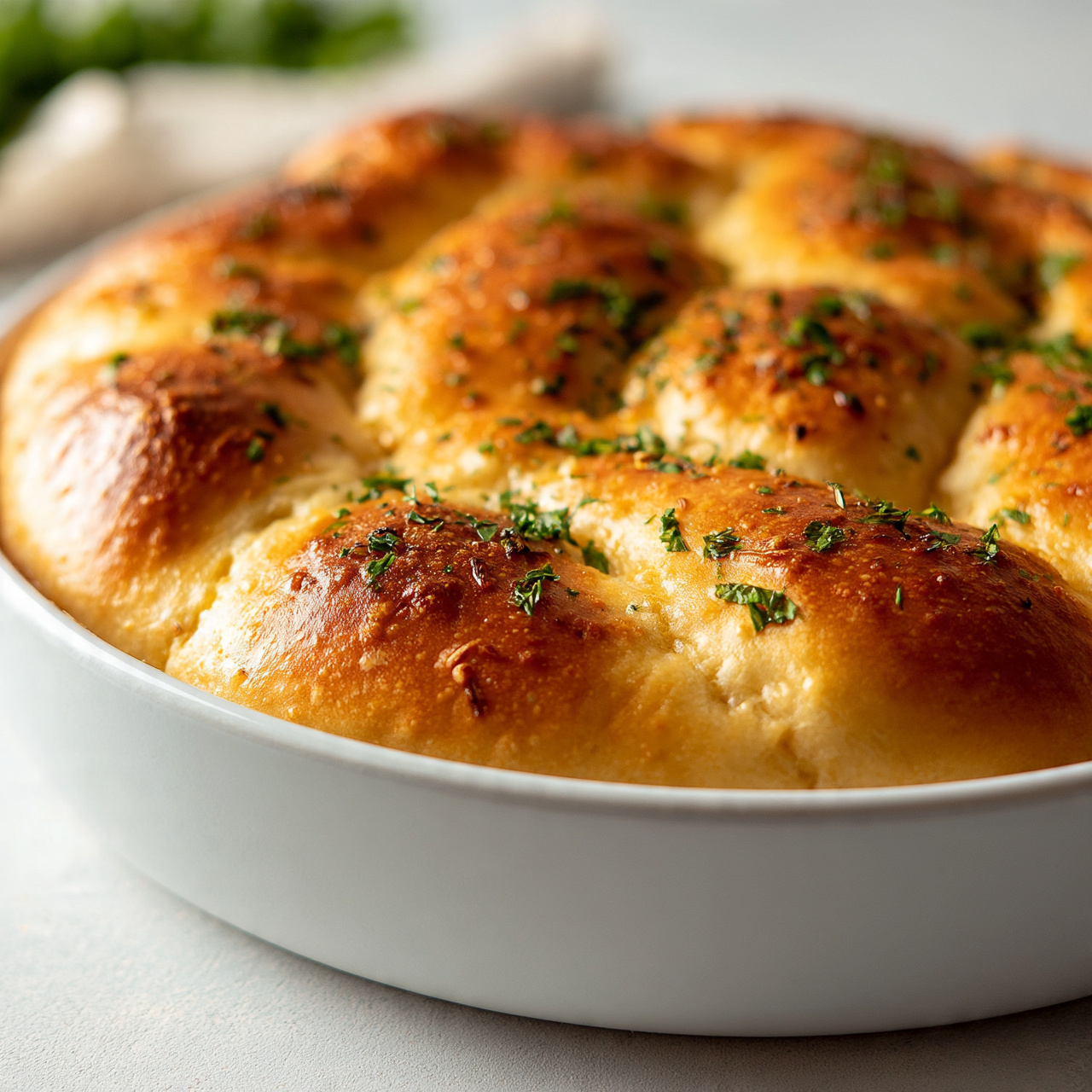
This easy sourdough focaccia bread recipe delivers a golden, olive-oil-crisped crust with a pillowy, chewy interior — made with active sourdough starter for incredible depth of flavor.

The Focaccia You Will Make Over and Over Again
There is something almost magical about pulling a tray of sourdough focaccia bread out of the oven. The sizzle of olive oil against the hot pan, the deeply golden crust, the pillowy interior filled with irregular air pockets that only a live sourdough starter can create. This is not a quick-fix flatbread. This is the kind of bread people ask you to bring to every gathering.
Whether you are searching for an easy sourdough focaccia bread recipe to make on a lazy weekend, planning an overnight sourdough focaccia for next-day entertaining, or trying to figure out how to make sourdough focaccia for the very first time, you have landed in exactly the right place. This focaccia with sourdough starter is approachable, forgiving, and absolutely extraordinary.
Using the right tools makes a real difference with this dough. A heavy rimmed baking pan ensures even heat distribution and those irresistible crispy edges, and a high-quality extra virgin olive oil is not something to skimp on here since it forms the backbone of the entire bread's flavor.
Why Sourdough Starter Changes Everything
You might wonder whether the effort of using a sourdough starter is worth it over a standard yeast focaccia recipe. The answer is a resounding yes. A bubbly, active starter does two things that commercial yeast simply cannot replicate.
First, it creates flavor. The wild yeast and beneficial bacteria in a sourdough starter produce lactic and acetic acids during fermentation. These acids give this focaccia sourdough recipe that distinctive, slightly tangy depth that lingers pleasantly on the palate.
Second, it builds texture. The long, slow fermentation relaxes the gluten in a way that produces an open, cloud-like crumb with generous air pockets. Every dimple you press into this dough will puff up during baking into something beautiful.
Chef's Tip: Your starter must be at its peak activity for this recipe to work well. Feed it 4 to 8 hours before mixing the dough and look for it to be bubbly, domed, and at least doubled in size. A sluggish starter means a dense loaf.
Overnight vs. Same-Day: Which Should You Choose?
This focaccia sourdough recipe gives you two paths, and both lead somewhere delicious.
Sourdough Focaccia Overnight is the method I recommend for anyone who can plan ahead. After the stretch-and-fold stage, the dough goes into an oiled pan and straight into the refrigerator. The cold temperature slows fermentation to a crawl, allowing the flavor to develop over 8 to 16 hours. The result is a tangy, complex crumb that tastes bakery-level good. It is also incredibly convenient since you do most of the work the night before and simply bake the next day.
Sourdough Focaccia Same Day skips the refrigerator entirely. After your stretch-and-folds, the dough ferments at room temperature for 3 to 4 hours before baking. The flavor is milder and the timeline is faster, making it a great option when you want fresh bread without the overnight wait.
Both approaches use the exact same dough and the same baking method. The only variable is time, and time is the secret ingredient in any great bread.
Toppings, Variations, and What to Serve With It
Classic rosemary and flaky salt is a timeless combination that never disappoints, but this focaccia with sourdough starter is a wonderful canvas for creativity.
- Olives and cherry tomatoes pressed into the dimples before baking
- Caramelized onions and thyme for a savory, French-inspired variation
- Sliced grapes and gorgonzola for a stunning appetizer board centerpiece
- Za'atar and sumac for a Middle Eastern-inspired twist
As for serving, this bread is extraordinary torn into pieces alongside a bowl of good pasta, dipped into high-quality olive oil and balsamic, or simply eaten warm from the pan with absolutely nothing at all.
Chef's Tip: Do not be shy with the olive oil at any stage of this recipe. The oil coating the pan is what creates that legendary crispy, almost fried bottom crust. More oil equals more crunch.
Ready to bake the best sourdough focaccia of your life? Here is the full step-by-step recipe:
Sourdough Focaccia Bread (Crispy, Chewy, and Irresistible)
This easy sourdough focaccia bread recipe delivers a golden, olive-oil-crisped crust with a pillowy, chewy interior — made with active sourdough starter for incredible depth of flavor.
Ingredients
- 1/2 cup active sourdough starter, fed and bubbly, at peak activity
- 1 1/4 cups warm water, around 80 degrees F
- 2 1/2 cups bread flour, all-purpose flour works in a pinch
- 1 1/2 tsp fine sea salt
- 5 tbsp extra virgin olive oil, divided, plus more for drizzling
- 1 tsp flaky sea salt, for topping, such as Maldon
- 3 fresh rosemary sprigs, leaves picked, optional but highly recommended
- 3 garlic cloves, thinly sliced, optional
Instruction
In a large mixing bowl, combine the active sourdough starter and warm water. Stir until the starter is mostly dissolved into the water.
Add the bread flour and fine sea salt to the bowl. Mix with your hands or a stiff spatula until no dry flour remains and a shaggy dough forms. Do not knead. Cover the bowl with plastic wrap or a damp towel and let it rest for 30 minutes.
After the rest, perform a set of stretch-and-folds: grab one side of the dough, stretch it upward, and fold it over the center. Rotate the bowl 90 degrees and repeat four times until you have completed one full set. Cover and rest for 30 minutes. Repeat this process 3 more times over the next 2 hours for a total of 4 sets.
Generously coat a 9x13 inch rimmed baking pan with 3 tablespoons of olive oil. Transfer the dough to the pan and gently stretch it toward the edges. If it springs back, let it rest for 10 minutes before continuing. Cover loosely and refrigerate overnight (8 to 16 hours) for an overnight sourdough focaccia, or let it rest at room temperature for 3 to 4 hours for a same-day sourdough focaccia.
When ready to bake, remove the pan from the refrigerator and let it come to room temperature for at least 1 hour. Preheat your oven to 450 degrees F (230 degrees C).
Drizzle the remaining 2 tablespoons of olive oil over the surface of the dough. Using all ten fingers, press deeply into the dough to create the signature focaccia dimples all across the surface.
Scatter the flaky sea salt, fresh rosemary leaves, and sliced garlic evenly over the top. Add a final generous drizzle of olive oil into all the dimples.
Bake for 22 to 25 minutes until the top is deeply golden brown and the edges are crispy and pulling away from the pan. Let cool in the pan for 5 minutes before slicing and serving.
Equipment
- Large mixing bowl
- 9x13 inch rimmed baking pan
- Plastic wrap or damp kitchen towel
- Bench scraper (optional)
- Wire cooling rack
Notes
Storing and Reheating Your Focaccia
Focaccia is honestly best eaten the day it is baked, still warm from the oven when the crust is at its crispiest. That said, leftovers store well and reheat beautifully.
Wrap cooled focaccia in foil and keep it at room temperature for up to 2 days. To reheat, place slices directly on the oven rack at 375 degrees F for 5 to 8 minutes. This revives the crust in a way that a microwave never will.
For longer storage, slice the focaccia, layer it between sheets of parchment, and freeze in a zip-top bag for up to one month. Reheat from frozen in a 400 degree F oven for about 10 minutes. It comes back remarkably close to fresh-baked, which makes this one of the most freezer-friendly breads you can make.
Now that you know how to make sourdough focaccia from start to finish, there is only one thing left to do. Go feed that starter.