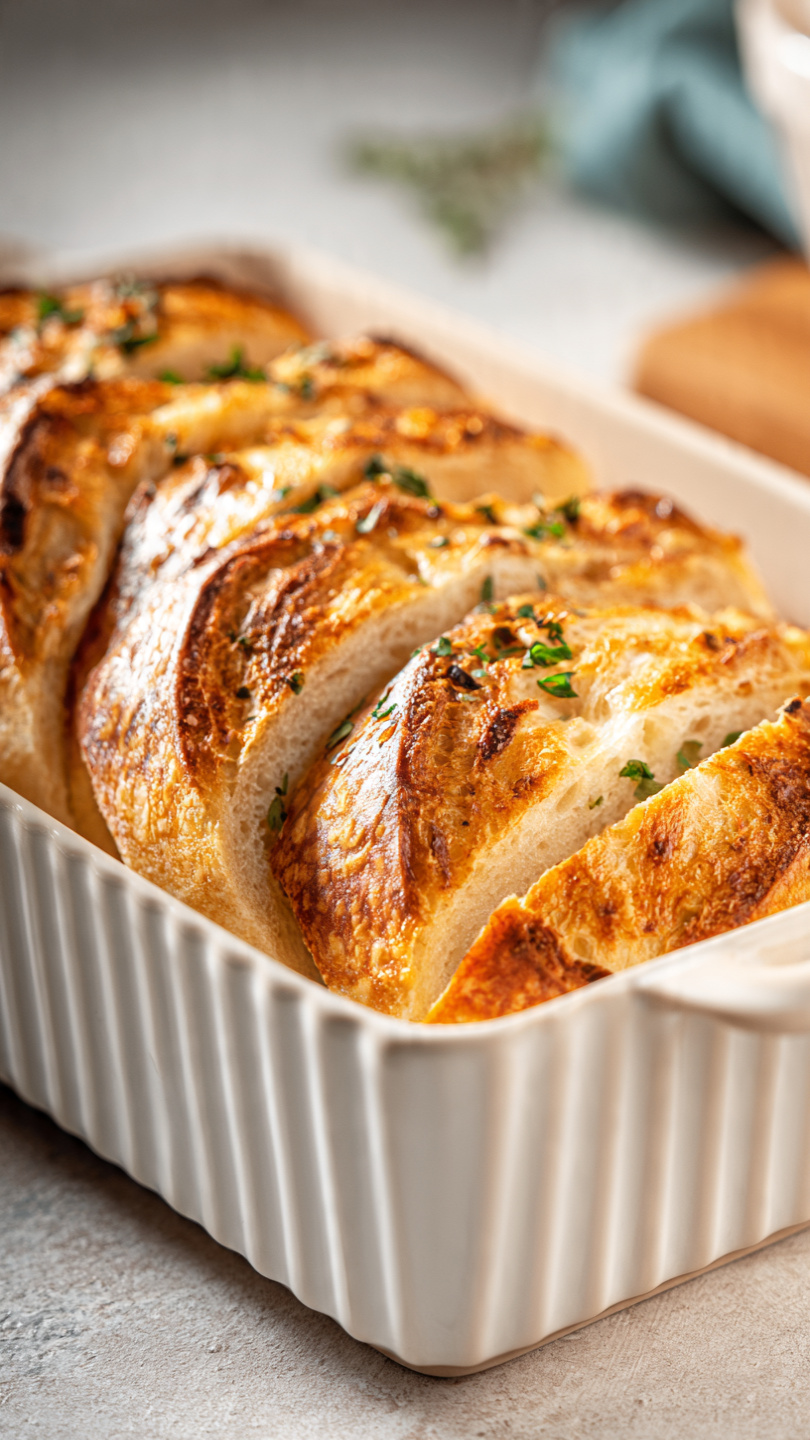
Sourdough French Bread: The Ultimate Homemade Loaf
This homemade sourdough French bread recipe delivers a crackly golden crust and a chewy, tangy crumb that blows any store-bought loaf out of the water. Made with an active sourdough starter, it's easier than you think and endlessly rewarding.

The Sourdough French Bread Recipe You Have Been Waiting For
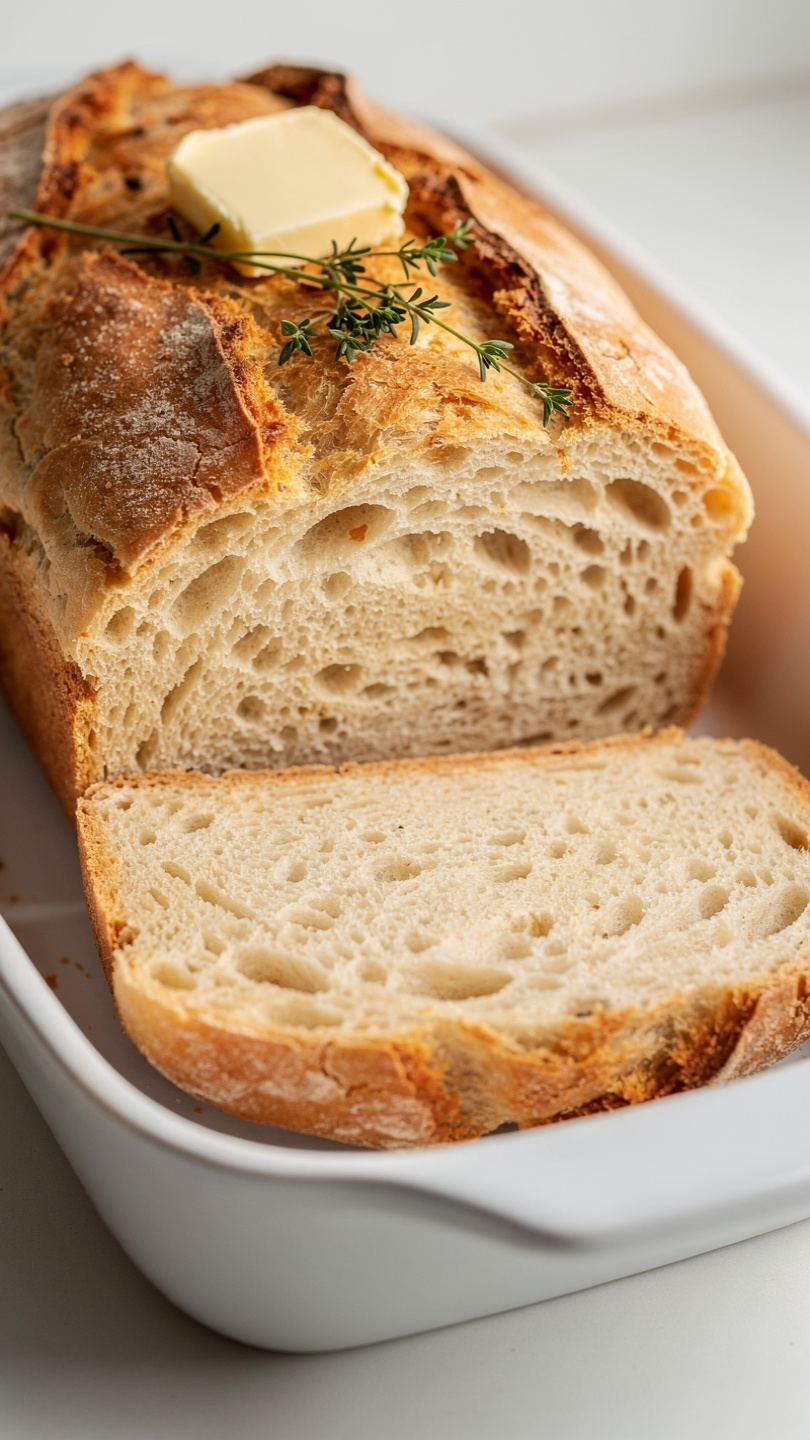
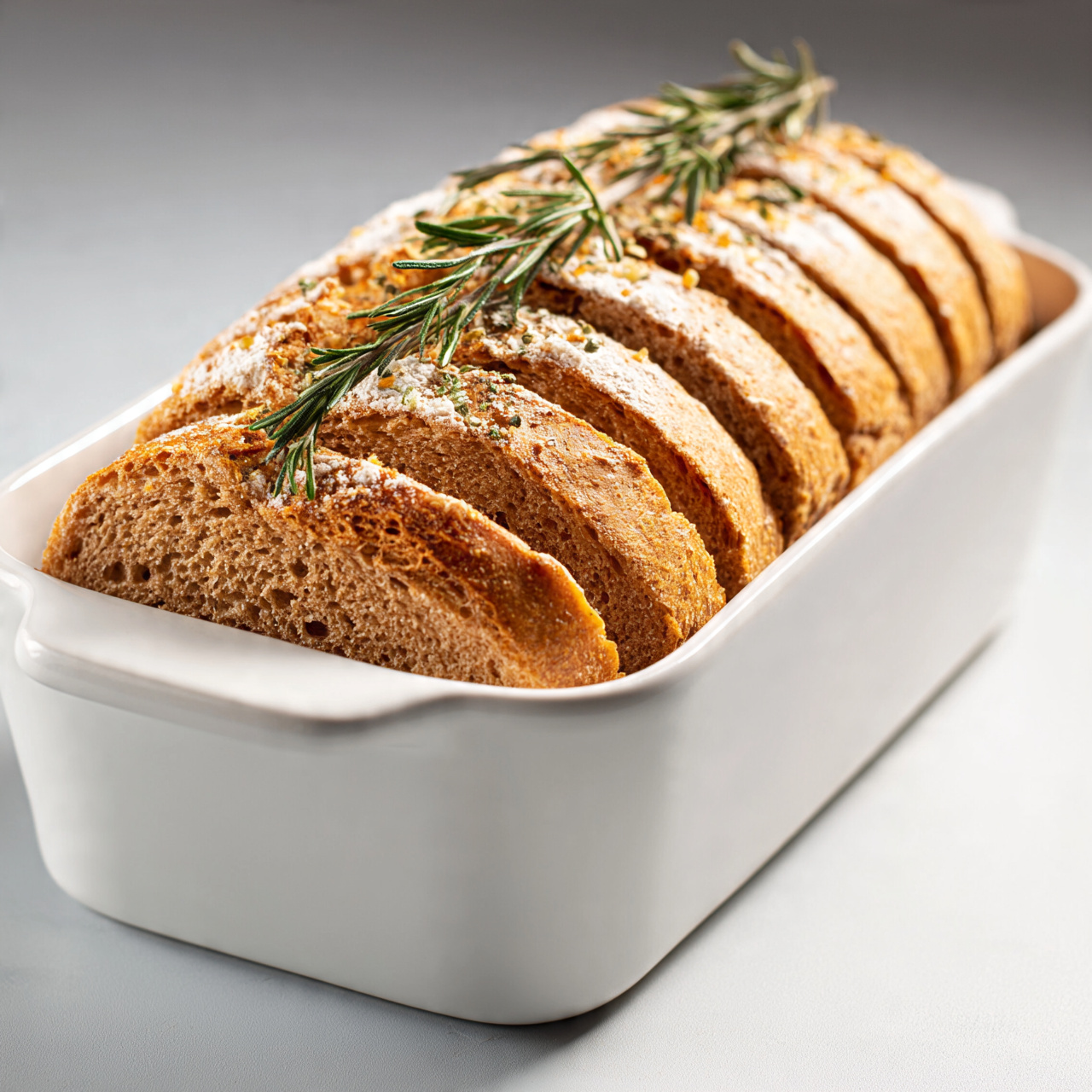
There is something almost magical about pulling a golden, crackling loaf of sourdough French bread from your oven. The crust shatters when you press it. The crumb is chewy, airy, and laced with that unmistakable tang that only a live sourdough starter can deliver. This is not just a French bread recipe. This is the kind of homemade sourdough bread recipe that makes your kitchen smell like a Parisian boulangerie and makes everyone at the table go quiet with the first bite.
Whether you are a seasoned sourdough baker looking for a sleek, baguette-inspired shape, or a curious beginner ready to finally put your sourdough starter to delicious use, this recipe meets you where you are. It is approachable, methodical, and deeply satisfying to bake.
Why This Sourdough French Bread Recipe Works
Most homemade sourdough bread recipes ask you to choose between flavor and ease. This one refuses to compromise on either. Here is what makes it special:
- A cold overnight retard deepens the tangy flavor without any extra effort. You shape the dough, slide it in the fridge, and let time do the work.
- High-heat baking with steam is the secret behind that shatteringly crisp crust. A pan of hot water on the bottom rack mimics the steam injection of a professional deck oven.
- Bread flour over all-purpose means stronger gluten development, a more open crumb, and that beautifully chewy bite that defines a great French bread loaf.
- Simple scoring gives the bread room to bloom dramatically in the oven, creating that gorgeous ear along the slash.
Chef's Tip: Your sourdough starter must be at peak activity before you begin. Feed it 6 to 8 hours before mixing your dough and look for it to be bubbly, domed on top, and at least doubled in size. A sluggish starter means a sluggish rise.
Choosing the Right Tools and Ingredients
Getting great results from a sourdough French bread recipe comes down to a few key tools and quality ingredients. Using a sharp bread lame for scoring and a proper baking surface makes a genuine difference in crust and oven spring.
The Best Flour for Sourdough French Bread
Bread flour is your best friend here. With a protein content of around 12 to 14 percent, it builds the gluten network that traps gas bubbles and creates lift. King Arthur Bread Flour and Bob's Red Mill Artisan Bread Flour are both excellent choices widely available in most grocery stores.
If you are working through sourdough starter discard and want to use it in this recipe, you absolutely can. Just add a small amount of instant yeast to compensate for the lower leavening power, and you will still get a wonderfully flavored French bread loaf.
The Art of Shaping a French Bread Loaf
Shaping is where many home bakers feel intimidated, but it is genuinely a skill that improves with every loaf. For this sourdough French bread, you are creating a classic batard shape, somewhere between a full baguette and a round boule.
Here is the core technique broken down simply:
- Flatten gently into a rough rectangle. Do not degas aggressively.
- Fold the long edges toward the center like a letter.
- Roll tightly from the top down, sealing the seam with the heel of your hand.
- Rock and taper the ends slightly to create that classic torpedo shape.
The tension you build on the outside of the loaf during shaping is what drives a tall, proud oven spring. A loose, slack shape produces a flat loaf, so take your time here.
Chef's Tip: After shaping, place the loaves seam-side down and let them rest uncovered on the counter for 10 minutes before going into the fridge. This short bench rest relaxes the gluten just enough to prevent tearing.
Sourdough Starter Discard and French Cuisine Recipes
One of the most beautiful things about keeping an active sourdough starter is that even the discard becomes an asset. Beyond this French bread recipe, sourdough starter discard recipes range from tangy pancakes and waffles to crackers, pizza dough, and the most incredible French bread French toast you will ever taste.
Leftover slices of this sourdough French bread, left out overnight to go slightly stale, are absolutely ideal for French toast. The dense, open crumb soaks up custard beautifully, and the sourdough tang balances the sweetness in a way that brioche simply cannot match.
Ready to bake your best loaf yet? Here is everything you need, from ingredients to step-by-step instructions:
Sourdough French Bread: The Ultimate Homemade Loaf
This homemade sourdough French bread recipe delivers a crackly golden crust and a chewy, tangy crumb that blows any store-bought loaf out of the water. Made with an active sourdough starter, it's easier than you think and endlessly rewarding.
Ingredients
- 4 cups bread flour, plus more for dusting
- 3/4 cup active sourdough starter, fed and bubbly, at peak activity
- 1 1/4 cups warm water, about 90 degrees F
- 2 tsp fine sea salt
- 1 tbsp olive oil, for greasing the bowl
Instruction
In a large mixing bowl, combine the warm water and active sourdough starter. Stir until the starter is fully dissolved into the water.
Add the bread flour and sea salt to the bowl. Mix with a wooden spoon or your hands until a shaggy dough forms and no dry flour remains.
Turn the dough out onto a lightly floured surface and knead for 8 to 10 minutes until the dough is smooth, elastic, and slightly tacky but not sticky.
Lightly coat a large bowl with olive oil, place the dough inside, and cover with plastic wrap or a damp towel. Let rise at room temperature for 4 to 6 hours, performing stretch-and-fold sets every 30 minutes during the first 2 hours.
After the bulk fermentation, gently turn the dough out and divide it into two equal portions. Shape each portion into a long baguette-style log by flattening slightly, folding the sides in, and rolling tightly.
Place the shaped loaves seam-side down on a parchment-lined baking sheet or inside a floured couche. Cover loosely and refrigerate overnight (8 to 12 hours) for a cold retard, which deepens flavor.
When ready to bake, preheat your oven to 475 degrees F (245 degrees C) with a Dutch oven or a baking stone inside. Place a small oven-safe pan on the bottom rack.
Remove loaves from the refrigerator. Using a sharp bread lame or razor blade, score the top of each loaf with 3 to 4 diagonal slashes about 0.5 inches deep.
Pour 1 cup of hot water into the bottom pan to create steam, then quickly slide the loaves into the oven. Bake for 15 minutes with steam.
Remove the steam pan and reduce oven temperature to 450 degrees F (230 degrees C). Continue baking for 18 to 20 more minutes until the crust is deep golden brown and the loaves sound hollow when tapped on the bottom.
Transfer to a wire rack and let cool for at least 45 minutes before slicing. Cutting too early will result in a gummy crumb.
Equipment
- Large mixing bowl
- Wooden spoon or dough scraper
- Kitchen scale
- Bench scraper
- Parchment-lined baking sheet or baking stone
- Dutch oven or oven-safe pan for steam
- Bread lame or sharp razor blade
- Wire cooling rack
- Instant-read thermometer
Notes
Serving, Storing, and Making It Your Own
Freshly baked sourdough French bread is extraordinary with nothing more than good salted butter and a moment of patience. But it also plays beautifully in a full spread:
- Tear it alongside a bowl of French onion soup
- Slice it thin for a charcuterie board
- Use thick slices for the best garlic bread of your life
- Let it go slightly stale and transform it into sourdough French bread French toast the next morning
Storage tip: Wrap cooled loaves in a clean linen or cotton kitchen towel. Never store artisan bread in plastic at room temperature, as the trapped moisture will turn that gorgeous crust into a chewy shell. If you need to store it longer, slice and freeze.
This homemade sourdough bread recipe rewards patience at every stage. The long fermentation, the careful shaping, the steam-blasted oven. Each step is an act of craft. And when you pull those two golden loaves from the oven and hear that hollow knock, you will know every minute was worth it.